Making Informed Maintenance Decisions to Maximize Equipment Life and Reduce Operating Costs
A lower upfront cost does not always translate into a lower long-term operating cost. For industrial facilities, determining whether to repair, rebuild or replace worn equipment is a critical decision that directly impacts reliability, productivity, maintenance budgets and overall profitability.
In industries such as power generation, cement production, mining, aggregate processing and steel manufacturing, equipment is continuously exposed to abrasive materials, impact, erosion, elevated temperatures and demanding operating conditions. Over time, these conditions can compromise component integrity and reduce operational performance.
While replacement may seem like the most straightforward solution, an engineered repair or rebuild can often provide a more economical alternative while delivering equal or improved performance. The key is understanding the true economics of each option.
Understanding the Total Life Cycle Cost
One of the most common mistakes in industrial maintenance is evaluating equipment decisions based solely on the initial purchase or repair price. Although upfront costs are important, they represent only one portion of the overall financial impact.
A comprehensive life cycle cost evaluation should include:
- Initial repair, rebuild or replacement costs
- Expected component service life
- Removal and installation expenses
- Equipment downtime and lost production
- Future maintenance and inspection requirements
- Operating efficiency and energy consumption
- Transportation and material handling costs
- Replacement component lead times
- Risk of premature failure
A component with a lower initial cost that requires frequent maintenance or replacement may ultimately be more expensive than an engineered solution that provides extended service life and improved reliability.
Six Factors to Evaluate Before Making a Maintenance Decision
1. Structural Integrity and Component Condition
The first step is determining whether the existing component provides a suitable foundation for repair or rebuilding.
Maintenance and engineering teams should evaluate:
- Remaining base material thickness
- Structural fatigue and cracking
- Distortion or dimensional changes
- Corrosion and material degradation
- Condition of critical mounting and attachment points
- Previous repairs and rebuild history
When the structural foundation remains sound, rebuilding may allow a facility to retain the value of the original component while restoring or improving its performance.
When structural integrity cannot be reliably restored, replacement may be the safest and most economical long-term solution.
2. Expected Service Life
The anticipated operating life of each maintenance option should be evaluated against its total installed cost.
For example, a repair may require a smaller immediate investment but provide only a limited extension of service life. An engineered rebuild may require a greater initial investment while providing significantly longer operating life.
Evaluating the
cost per operating hour or
cost per ton of material processed can provide a more accurate comparison of the economic value of each option.
3. Downtime and Lost Production
Equipment downtime can be one of the largest expenses associated with industrial maintenance.
In many facilities, the financial impact of lost production may exceed the actual cost of repairing or replacing the equipment.
Maintenance teams should consider:
- Planned versus unplanned outages
- Component manufacturing and delivery lead times
- Field repair versus shop rebuild capabilities
- Equipment removal and installation time
- Crane, rigging and contractor requirements
- Availability of spare components
- Production losses associated with extended outages
Aligning maintenance activities with scheduled outages and proactively rebuilding spare components can help minimize production disruptions and reduce exposure to emergency maintenance costs.
4. Identifying the Root Cause of Wear
Before restoring or replacing a worn component, it is important to understand why it deteriorated.
Premature wear may be associated with:
- Abrasive material characteristics
- Excessive material or air velocities
- High-impact loading
- Uneven material distribution
- Improper material selection
- Material buildup and restricted flow
- Component geometry or design limitations
- Changing operating conditions
Simply replacing a worn component with an identical design may restore equipment functionality without addressing the underlying cause of failure.
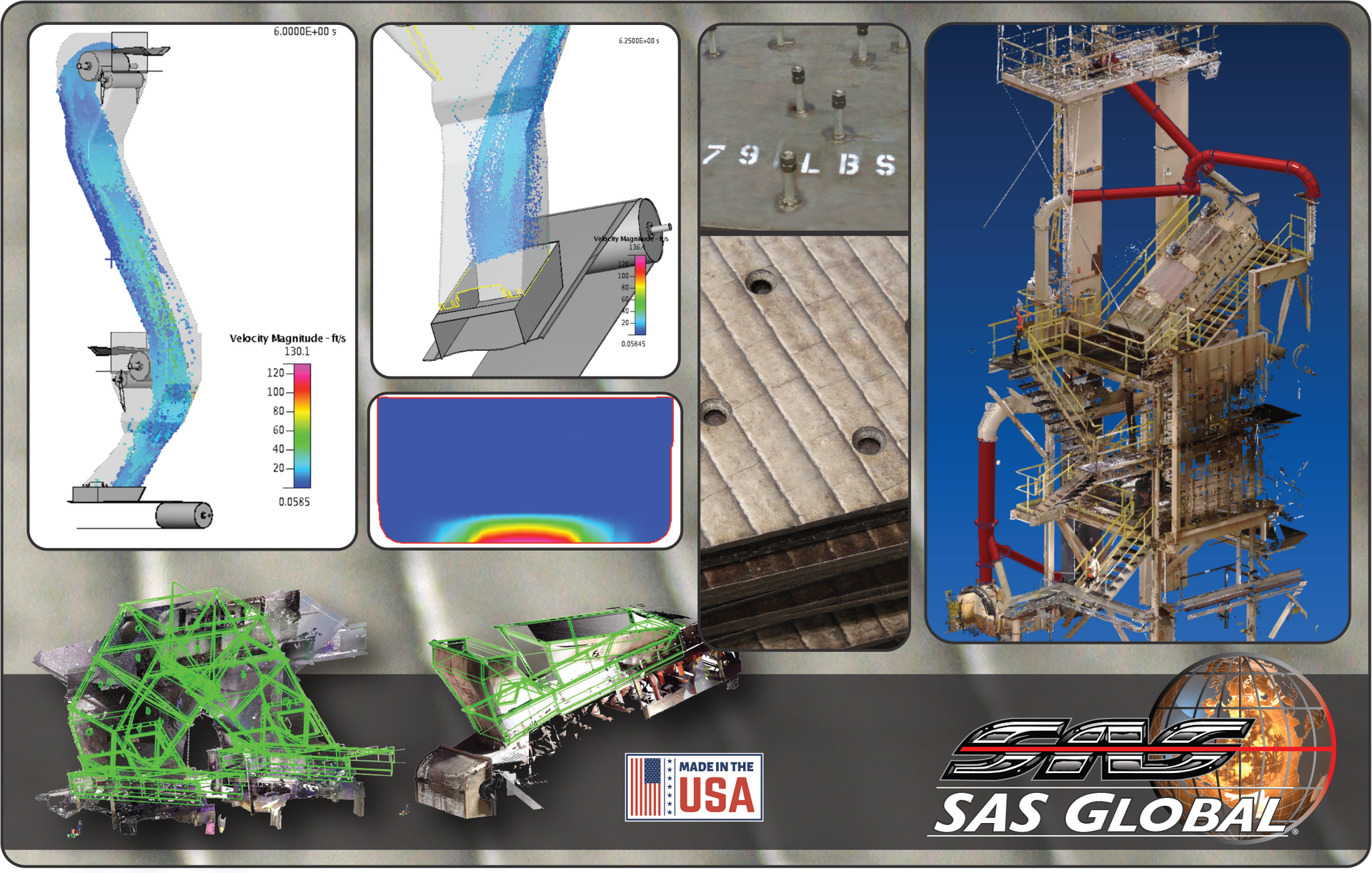
An engineered maintenance approach provides an opportunity to evaluate historical wear patterns and incorporate improvements that reduce the likelihood of recurring problems.
5. Opportunities for Performance Improvements
A rebuild does not necessarily mean returning a component to its original condition. In many applications, rebuilding presents an opportunity to modernize equipment and improve its performance.
Potential improvements include:
- Advanced wear-resistant materials
- Engineered carbide overlay and hardfacing solutions
- Optimized component geometries
- Improved material flow characteristics
- Enhanced abrasion, impact and erosion resistance
- Replaceable or segmented wear components
- Improved accessibility and maintainability
By incorporating these improvements, an engineered rebuild can potentially outperform the original component while reducing future maintenance requirements.
6. Equipment Criticality and Operational Risk
Not all equipment has the same impact on plant operations.
The consequences of component failure should be considered when determining whether a repair, rebuild or replacement is appropriate.
Critical considerations include personnel safety, production bottlenecks, equipment redundancy, potential damage to surrounding equipment and the availability of replacement parts.
A lower-cost repair may be acceptable for a noncritical component but may introduce unacceptable operational risk when applied to equipment essential to continuous production.
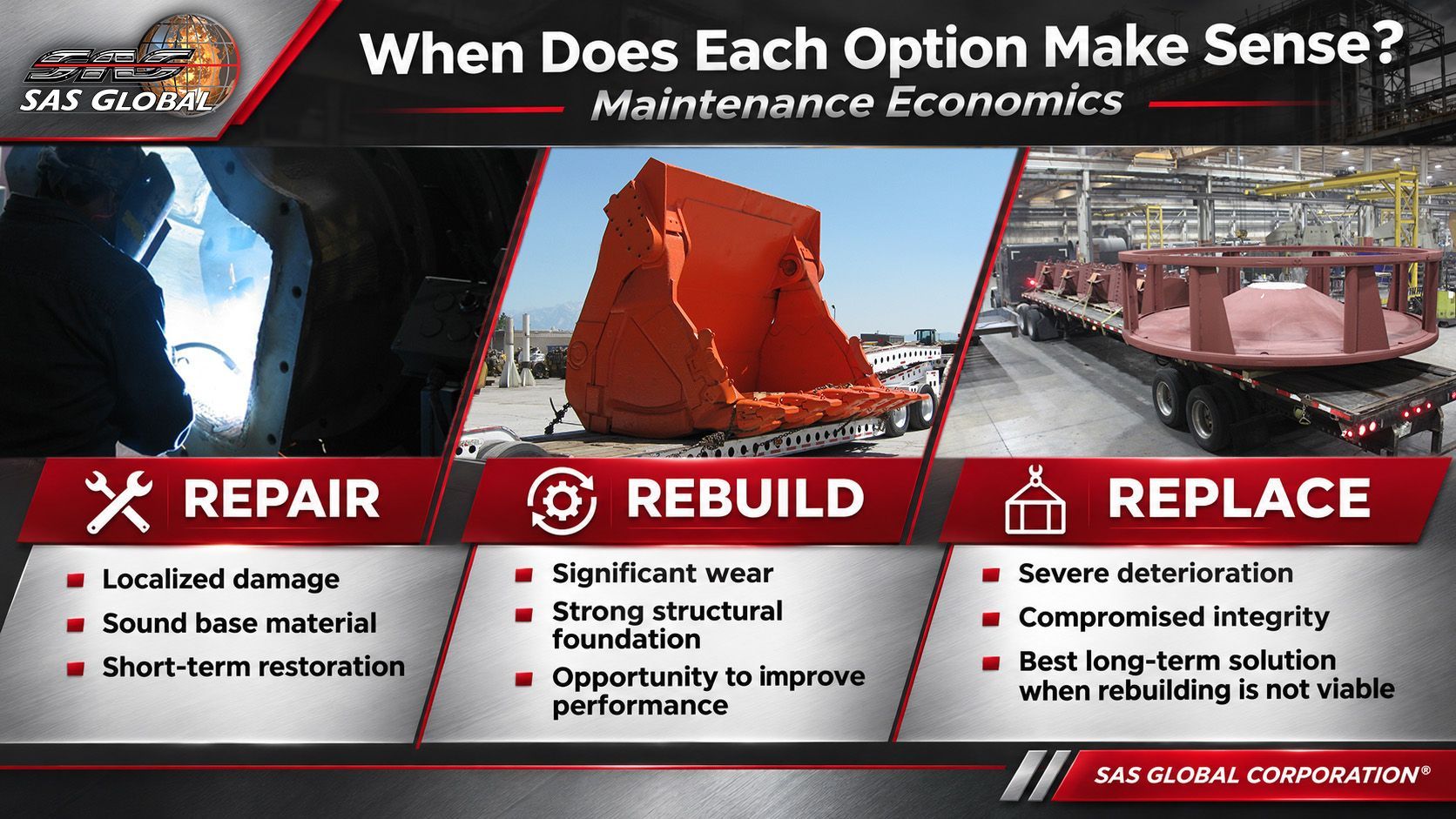
Repair, Rebuild or Replace: When Does Each Option Make Sense?
Repair: Addressing Localized Wear or Damage
Repair is often appropriate when wear or damage is limited and the remaining component is structurally sound.
Typical applications include localized hardfacing, replacement of individual wear liners and restoration of isolated worn areas.
Repair is generally most economical when it provides sufficient service life to reach the next scheduled maintenance interval without compromising equipment reliability or safety.
Rebuild: Restoring Value Through Engineering
Rebuilding is particularly attractive for high-value components that have experienced significant wear but retain a suitable structural foundation.
Examples of industrial components that may benefit from engineered rebuilds include:
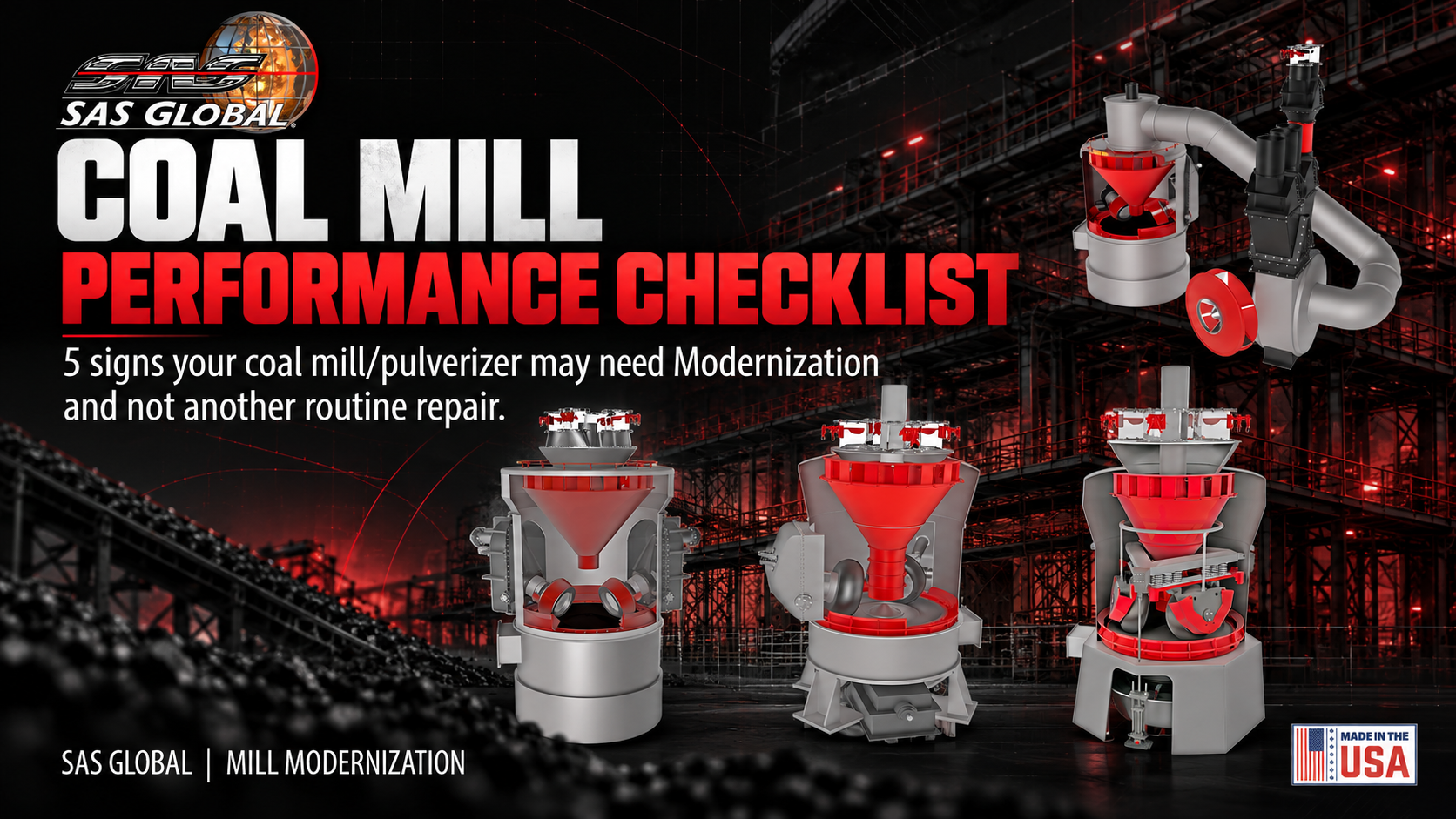
- Coal pulverizer grinding tables and tires
- Cement raw mill grinding components
- Industrial fan and exhauster assemblies
- Material handling chutes and hoppers
- Crusher and grinding equipment components
- Large fabricated industrial assemblies
Through dimensional restoration, advanced hardfacing, wear-resistant materials and engineered design improvements, rebuilding can preserve the value of existing assets while extending equipment service life.
Replace: Investing in Long-Term Reliability
Replacement becomes the preferred option when a component can no longer be safely or economically restored.
Replacement should be considered when:
- Structural integrity is severely compromised.
- Damage exceeds practical repair or rebuilding limits.
- Repeated repairs have become economically inefficient.
- Existing equipment no longer meets operational requirements.
- Modernized replacement designs offer greater long-term value.
- The risk of component failure outweighs the potential savings of rebuilding.
Replacement should also be viewed as an opportunity to evaluate upgraded materials
and engineered designs rather than automatically purchasing an identical component.
Comparing the Economics: A Practical Example
The following hypothetical example illustrates why purchase price alone should not determine a maintenance strategy.