Stop Blaming the Wear Material: Why Many Wear Failures Are Caused by System Design — Not Just Material Selection
Why Many Wear Failures Are Caused by System Design: Not Just Material Selection

In heavy industrial operations, whether in power generation, mining, cement, or material handling equipment wear is often viewed through a narrow lens. When components fail prematurely, the immediate conclusion is typically that the wear liner material did not perform.
However, after more than 70 years of engineering, designing, and implementing wear solutions across demanding applications, one reality has consistently proven true:
Many of the wear failures are not material failures; they are system design failures.
At SAS Global Corporation, we’ve seen firsthand that even the most advanced chromium carbide overlays and premium alloy wear plates will underperform if the system they operate in is not engineered correctly.
This article explores the true drivers of wear and demonstrates how a system-based approach delivers measurable ROI in the form of extended service life, reduced downtime, and improved operational efficiency.
The Industry Myth: “The Wear Material Failed”
When a liner, pipe, or component wears out prematurely, the default response is often:
- “We need a harder material.”
- “The overlay wasn’t thick enough.”
- “Let’s upgrade to a higher-grade plate.”
While material selection is important, this approach treats the
symptom, but potentially not the actual root cause.
In reality, upgrading material without addressing system conditions often leads to:
- Repeated failures in the same locations
- Increased maintenance costs
- Unplanned outages
- Frustration across maintenance and operations teams
The Reality: Wear Is a System Problem
Wear is driven by a combination of mechanical and process variables, not just material properties. The most common root causes include:
1. Velocity and Flow Rate
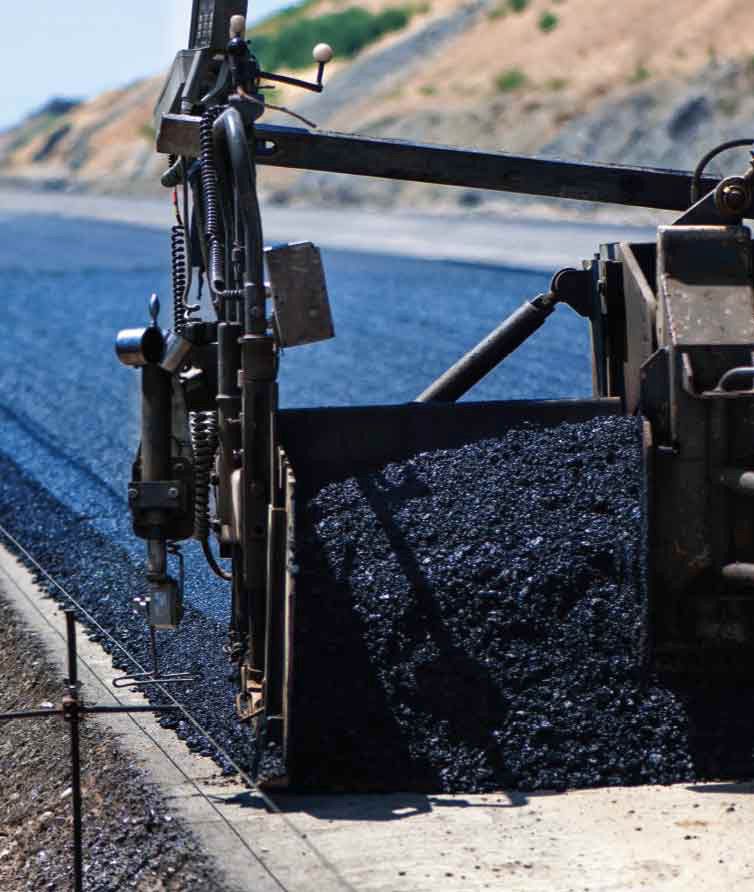
- Excessive material velocity dramatically increases erosive wear
- Even small increases in velocity can exponentially accelerate wear rates
2. Particle Trajectory & Impact Angle
- Direct impingement (near 90° impact) causes severe localized wear
- Sliding abrasion behaves very differently than impact erosion
3. Turbulence & Flow Disruptions
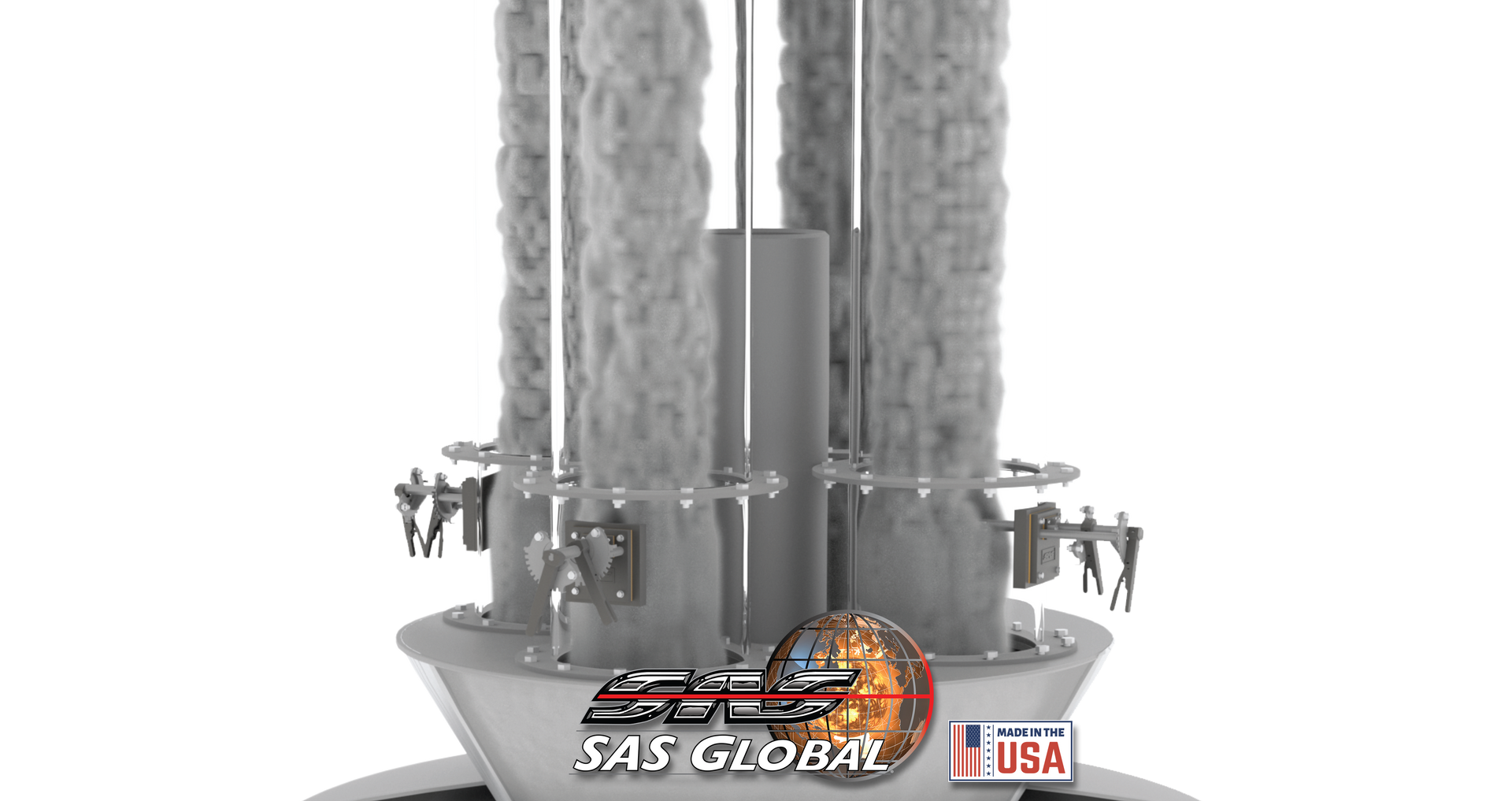
- Dead zones and recirculation zones create concentrated wear areas
- Turbulence increases particle collisions and erratic trajectories
4. Geometry & System Design
- Abrupt transitions in chutes or piping
- Poorly designed elbows and reducers
- Misaligned or inconsistent internal profiles
These variables determine how material flows—and ultimately where and how wear occurs.
Wear Material Type Alone Is Not the Solution
High-performance materials play a critical role in wear resistance. At SAS Global Corporation, engineered materials such as:
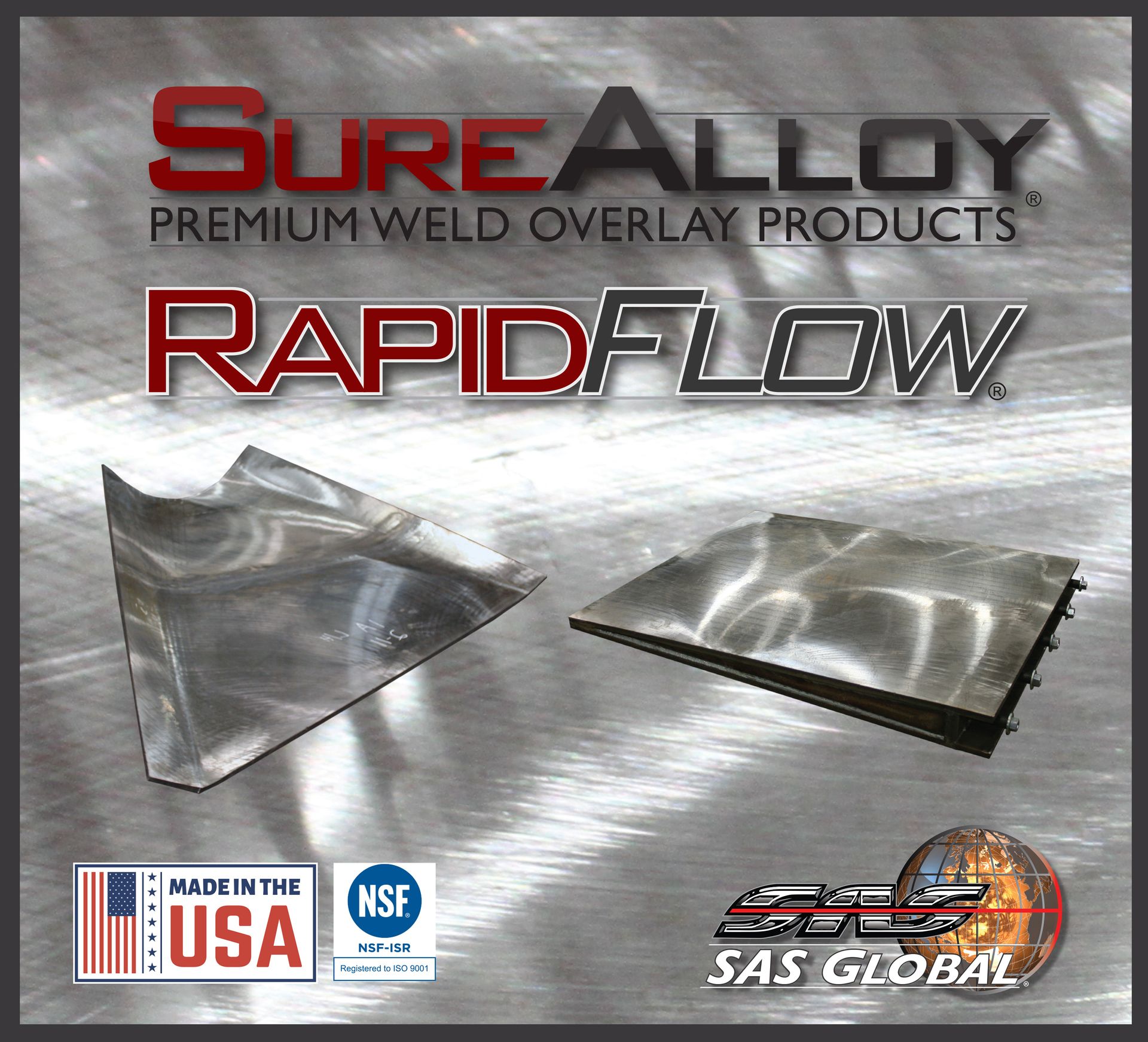
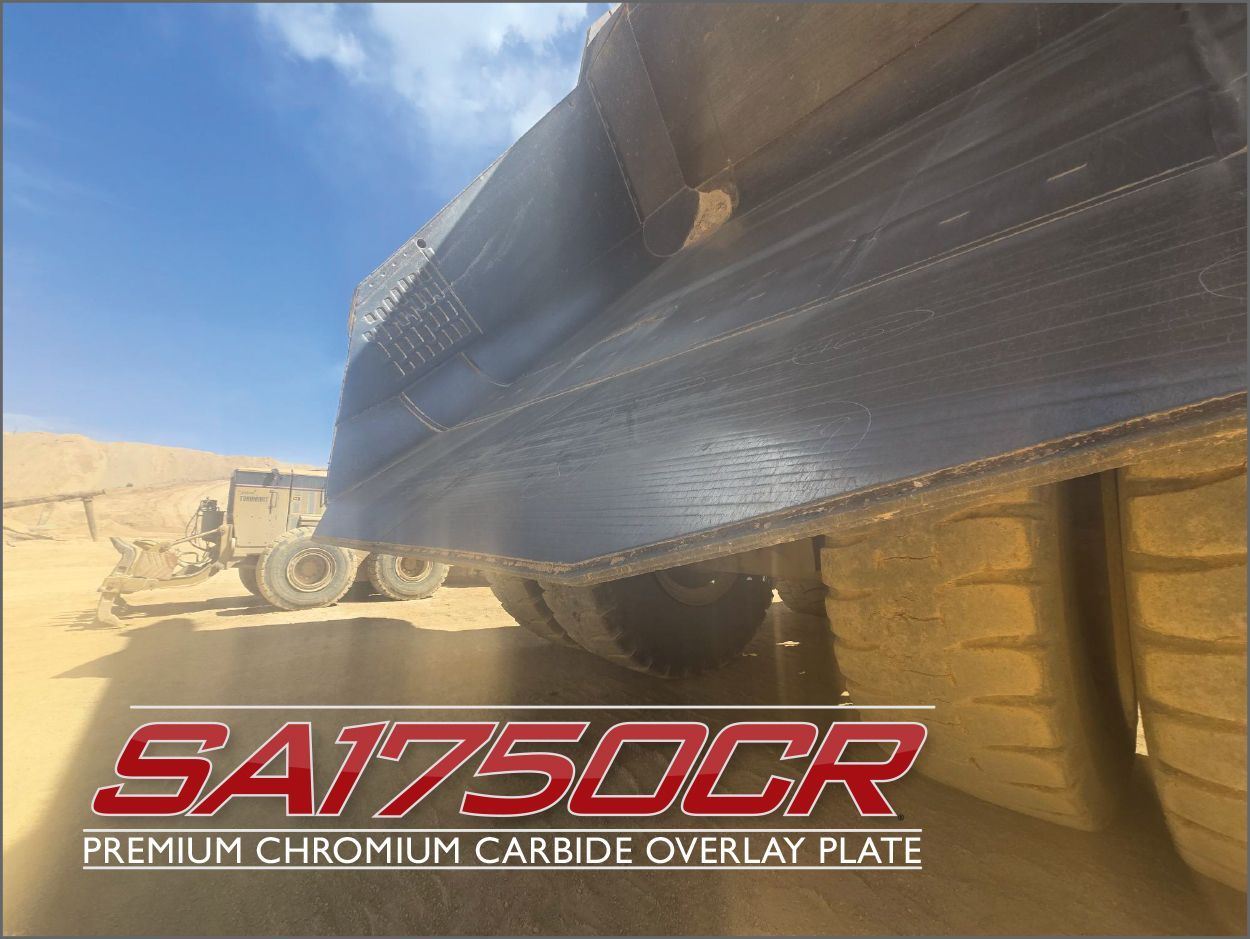
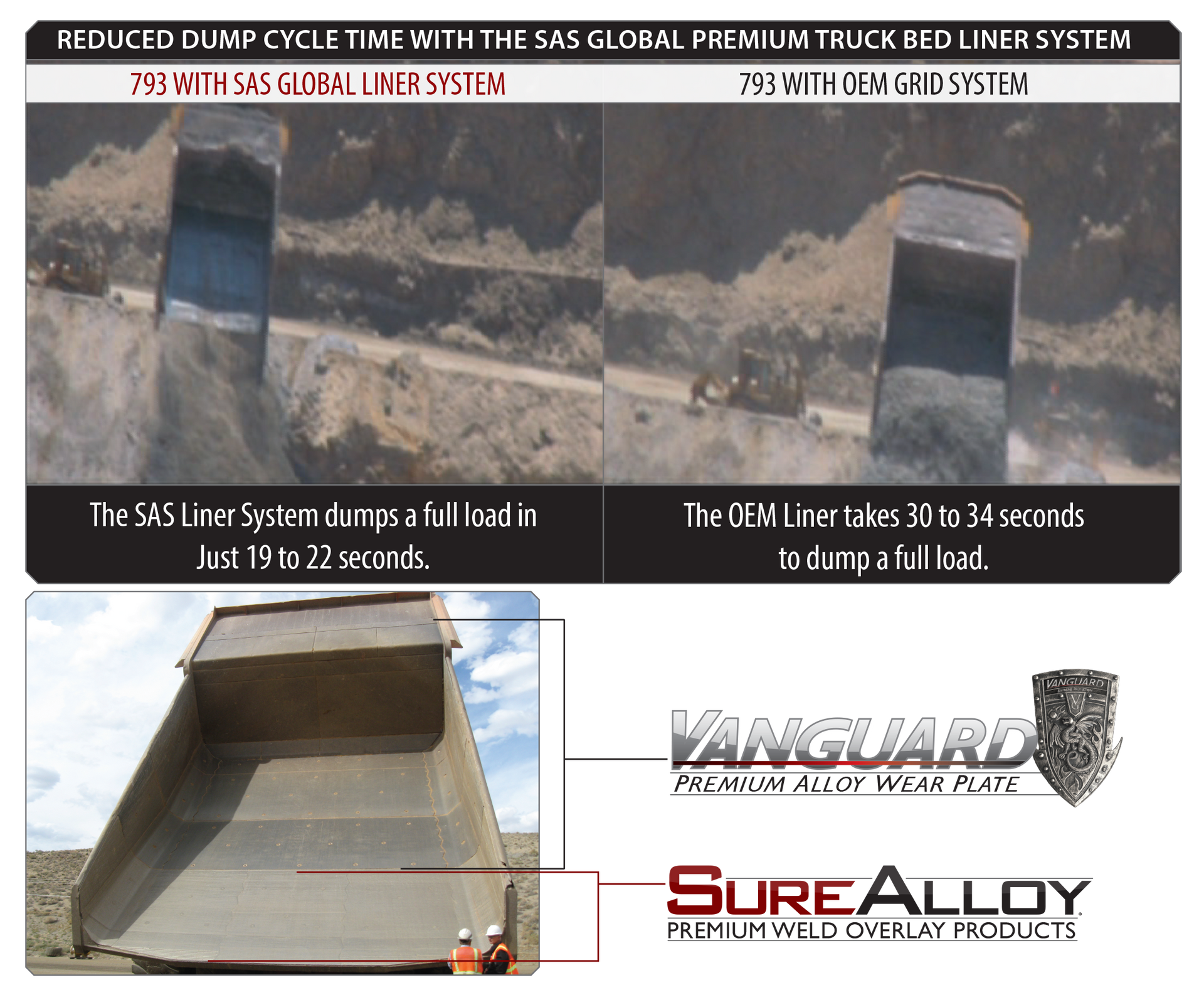
- SureAlloy Premium Chromium Carbide Overlay Plate (SA1750CR, SA2000, SA6000)
- Vanguard Premium Alloy Wear Plate
- CladPipe Wear-Resistant Piping Systems
- SureAlloy Fabricated Wear-Resistant Piping Systems
However, even the most advanced materials will underperform if:
- Material velocity is not controlled
- Impact angles are excessive
- Flow patterns create localized high-energy zones
Material selection must be aligned with system conditions, not used as a substitute for proper design.
The SAS Approach: Engineered Wear Solutions
What differentiates SAS Global Corporation is a holistic, engineering-driven approach to wear challenges.
1. System Evaluation
- Identify true wear drivers based on operating conditions
- Analyze failure patterns and wear locations
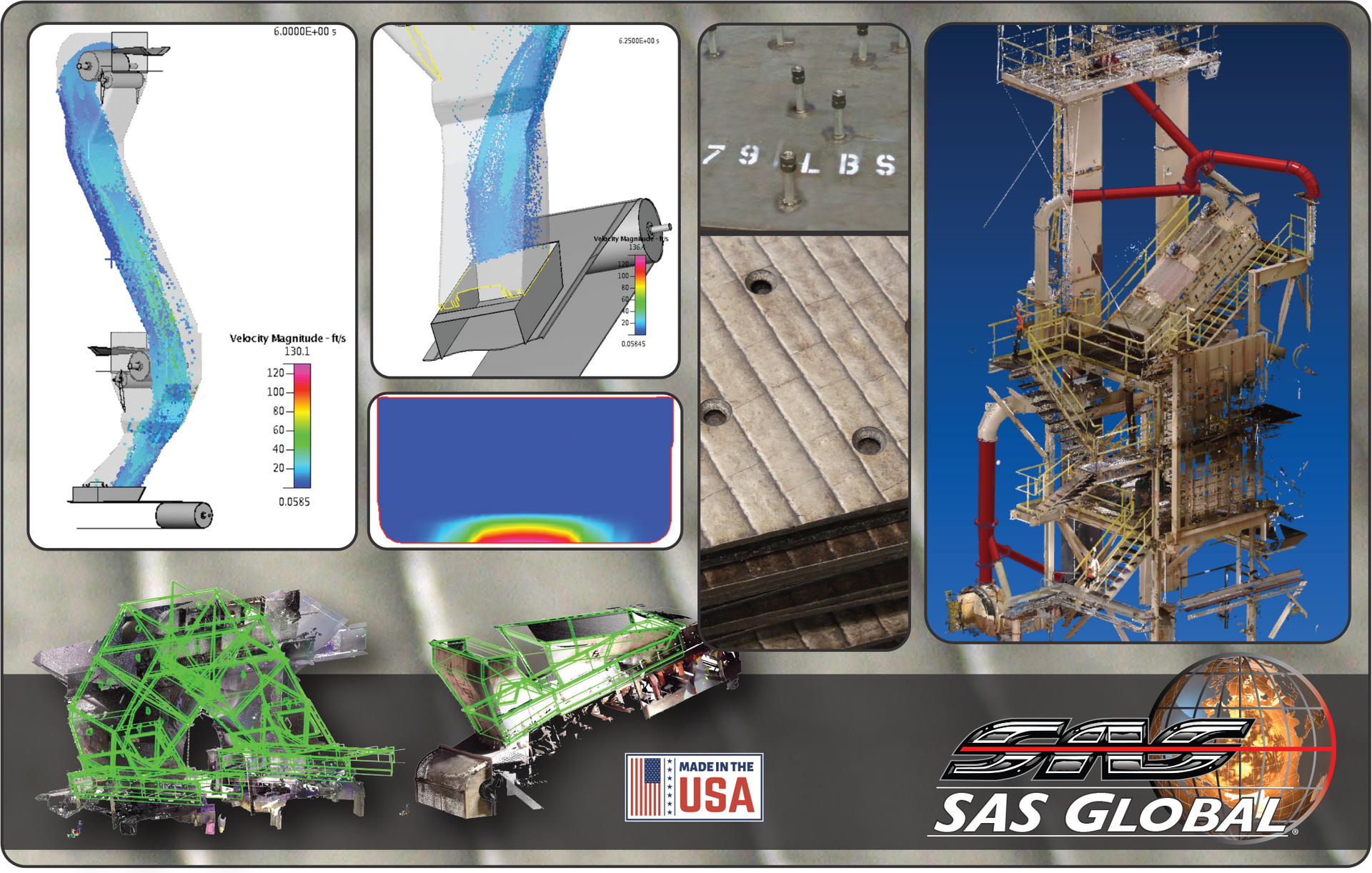
2. Advanced Measurement & Analysis
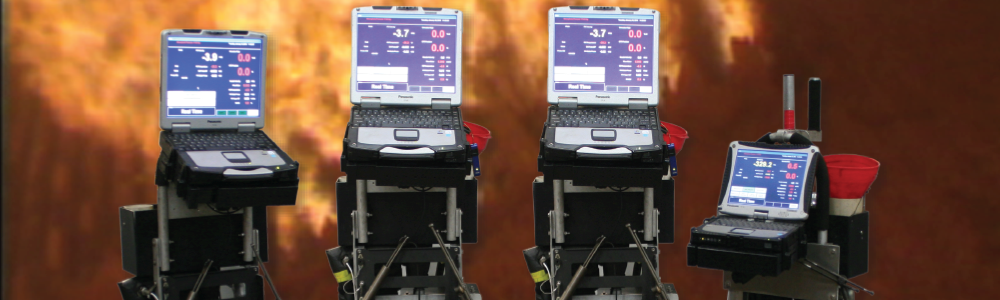
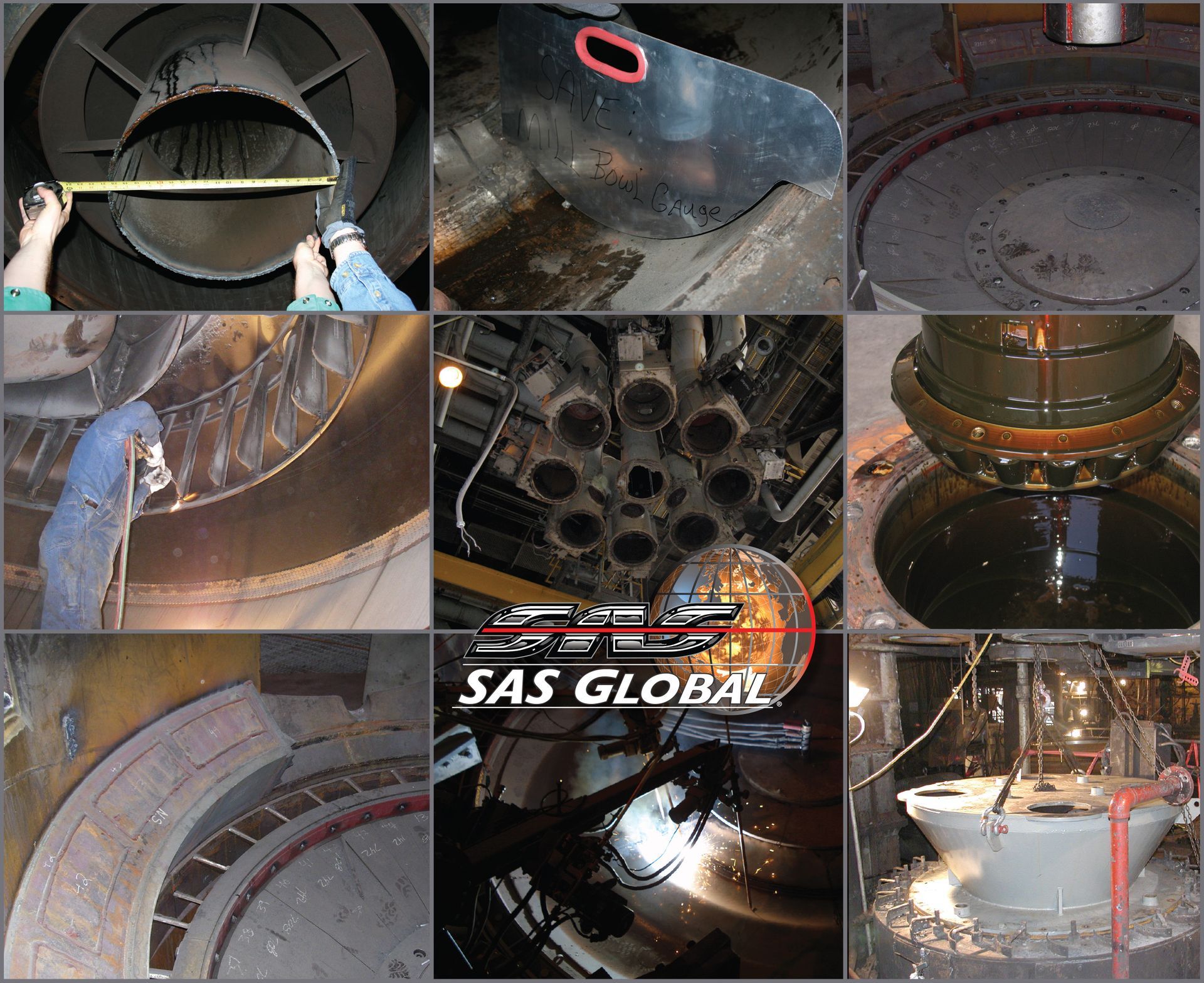
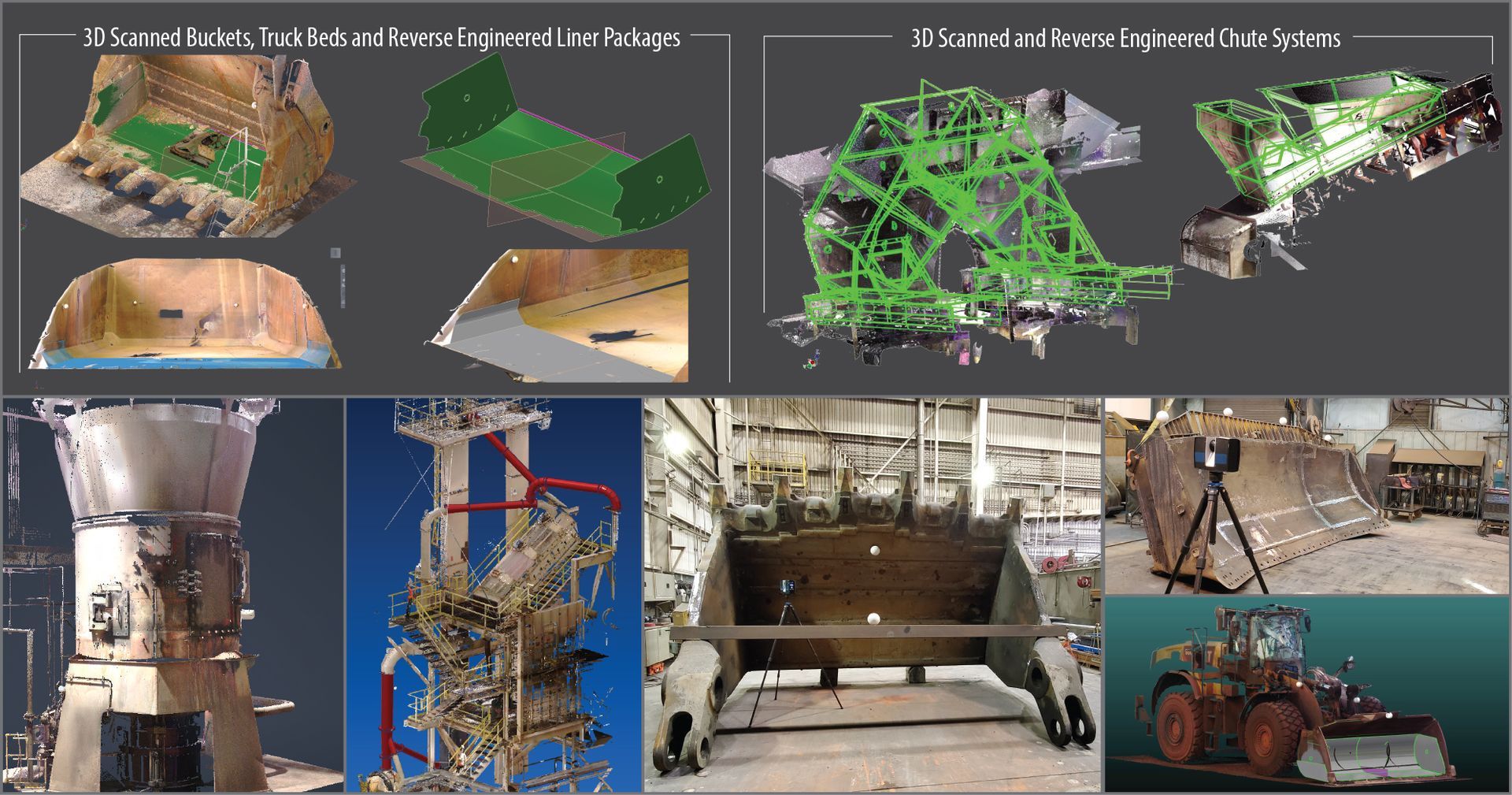
- 3D laser scanning of existing systems
- Evaluation of flow characteristics and geometry
3. Custom Engineered Solutions
- Optimization of internal geometry to control flow
- Material selection tailored to the specific application
- Integration of components to reduce turbulence and impact
4. Fabrication & Field Support
- In-house manufacturing of engineered components
- Installation and technical support in the field
This integrated approach ensures that solutions are designed to
eliminate the root cause of wear, not just delay it.
The ROI Impact: Why This Matters
A system-based approach to wear solutions delivers measurable and sustainable financial benefits:
Reduced Downtime
- Fewer unexpected failures
- Increased operational uptime
Extended Service Life
- Components last longer due to optimized conditions
- Reduced replacement frequency
Lower Total Cost of Ownership
- Decreased maintenance labor and material costs
- Fewer emergency shutdowns and repairs
Improved Process Efficiency
- Consistent material flow
- Enhanced system performance and reliability
For maintenance managers and plant operators, this translates directly into:
Higher throughput, lower operating costs, and improved reliability across the entire system.
In today’s industrial environment, where uptime and efficiency directly impact profitability, understanding the true cause of wear is critical.
The next time a component fails prematurely, the question should not be:
“Did the material fail?”
It should be:
“What is the system telling us?”
At SAS Global Corporation, we work alongside our customers to answer that question. Combining advanced materials with engineering expertise to deliver solutions that perform in the most demanding environments.
Ready to Solve the Root Cause of Your Wear Problems?
Contact SAS Global Corporation to schedule a system evaluation and discover how an engineered approach can transform your operation. Improving performance, extending equipment life, and delivering measurable ROI.