Coal Mill Performance Checklist: 5 Warning Signs Your Pulverizer Needs Modernization, Not Another Repair

October 22, 2026

Coal Mill Performance Checklist: 5 Warning Signs Your Pulverizer Needs Modernization, Not Another Repair

Coal Mill Performance Checklist: 5 Warning Signs Your Pulverizer Needs Modernization, Not Another Repair

How to identify hidden performance bottlenecks that routine maintenance may not resolve.


Are You Repairing Your Coal Mill, or Just Repeating the Same Problems?

Every coal-fired power plant depends on reliable coal pulverizer performance to maintain generating capacity, combustion efficiency, and operational stability.


Yet many facilities face a familiar challenge: grinding components are rebuilt, worn liners are replaced, classifier settings are adjusted, and another scheduled outage is completed—only for the same performance problems to return.


What if the problem isn't simply worn components? What if the coal mill itself has performance limitations that routine repairs cannot correct?

As pulverizers age, changes in internal airflow distribution, coal particle classification, fuel distribution, and component wear can create operating inefficiencies that gradually reduce overall mill performance.


While replacing worn components is essential, maintenance alone may not address the underlying causes of reduced capacity, poor coal fineness, excessive primary airflow demand, and recurring wear.


At SAS Global Corporation, we believe the key to improving pulverizer performance begins with identifying the difference between a maintenance problem and a modernization opportunity.


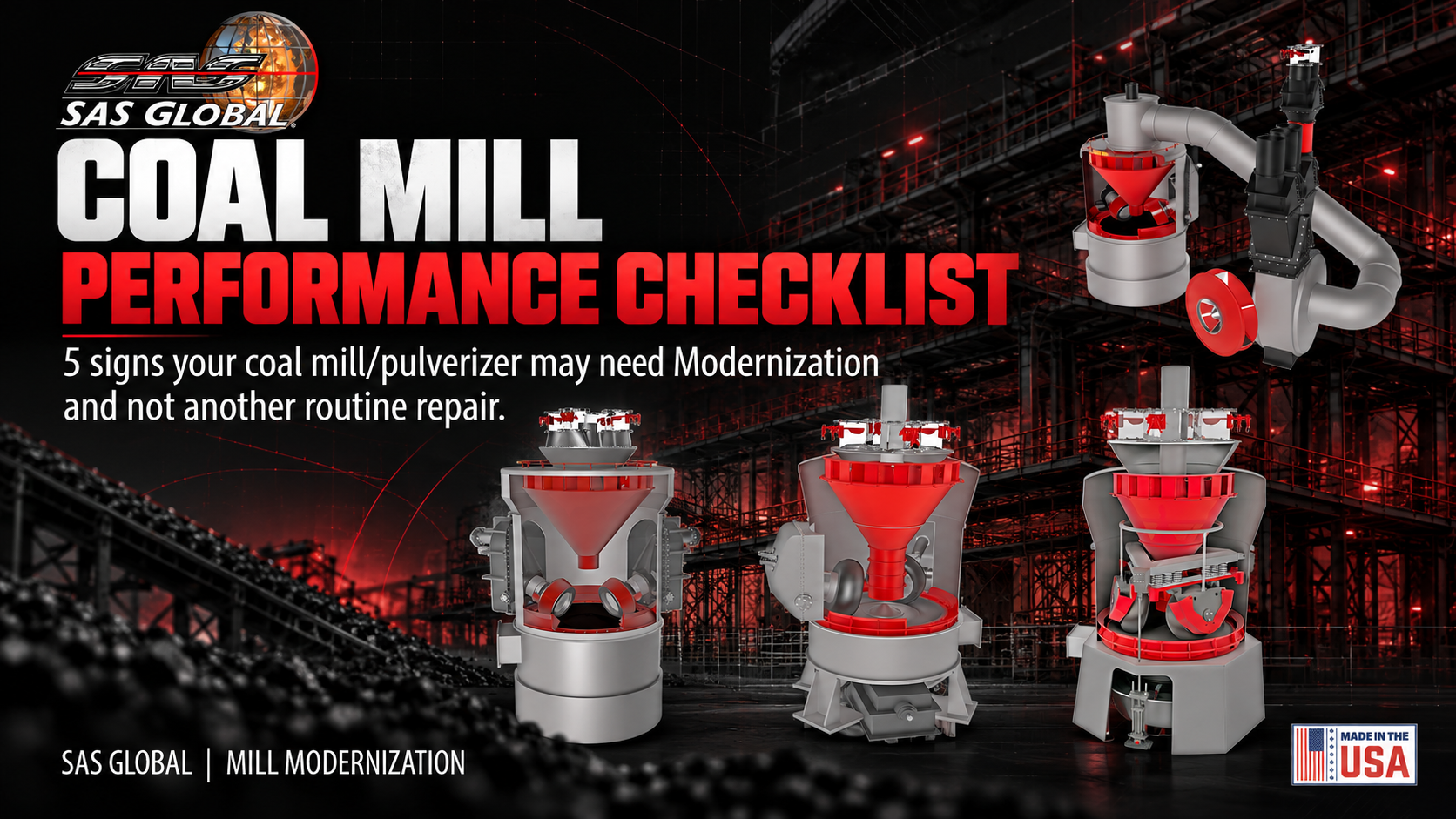
Here are five warning signs that your coal mill may be ready for something more than another routine repair.

Coal Mill Capacity Continues to Decline
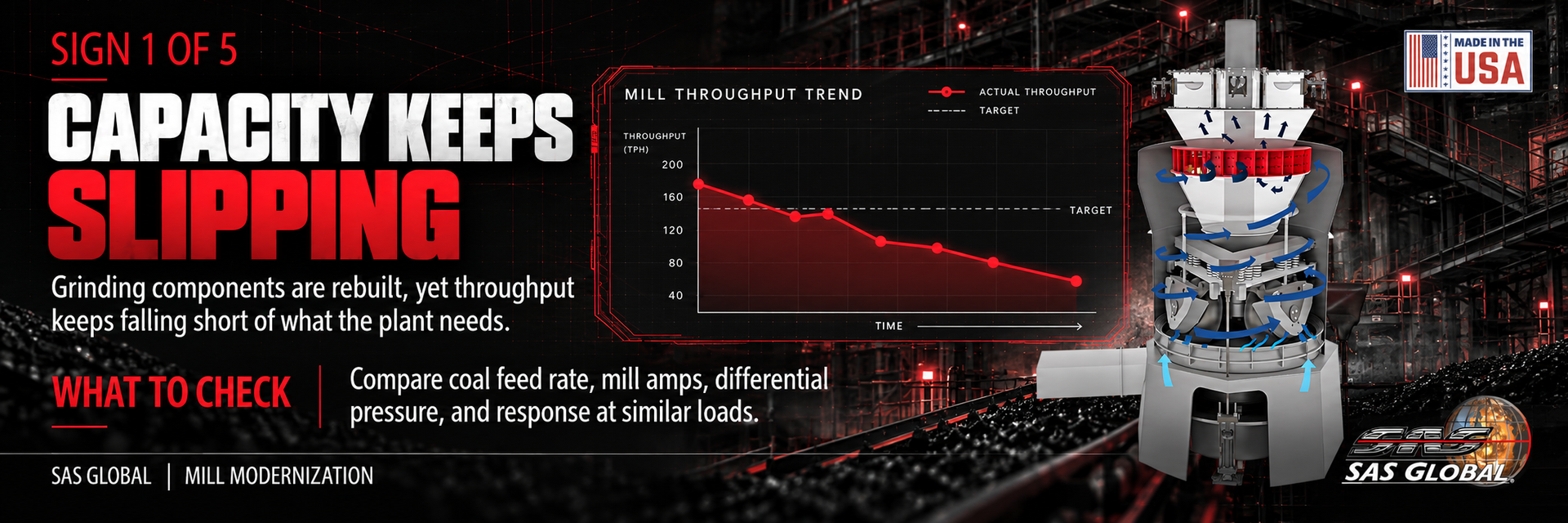
The Warning Sign: Rebuilt Components, but No Meaningful Capacity Improvement

1. Coal Mill Capacity Continues to Decline

The Warning Sign: Rebuilt Components, but No Meaningful Capacity Improvement

One of the clearest indicators of an underlying pulverizer performance limitation is declining coal throughput—even after grinding components have been rebuilt or replaced.

A pulverizer may have properly maintained grinding rolls and tables yet continue to struggle to achieve the coal feed rate required to support full generating capacity.

Several conditions can contribute to this problem:

  • Inefficient internal primary airflow distribution.
  • Excessive coal recirculation within the classifier.
  • Restrictions at the pulverizer throat or rotating vane wheel.
  • Inadequate fuel drying capability.
  • Outdated internal components that limit coal transport and mill response.

These conditions can restrict performance even when grinding surfaces are in acceptable operating condition.


The Modernization Opportunity

Rather than focusing exclusively on grinding component replacement, operators should evaluate the entire coal pulverizing process.


SAS Global's Patented Closed Race Rotating Vane Wheel, Patented High Spin Static Classifier, and Patented Retractable Enhanced Flow Discharge System are engineered to address specific internal flow and classification limitations.


Depending on the pulverizer design and operating conditions, these upgrades can help increase throughput, improve coal transport, reduce unnecessary recirculation, and improve overall mill response.


Key Question: If your grinding components have been rebuilt, why is your pulverizer still unable to achieve its required capacity?


Coal Fineness Remains Inconsistent
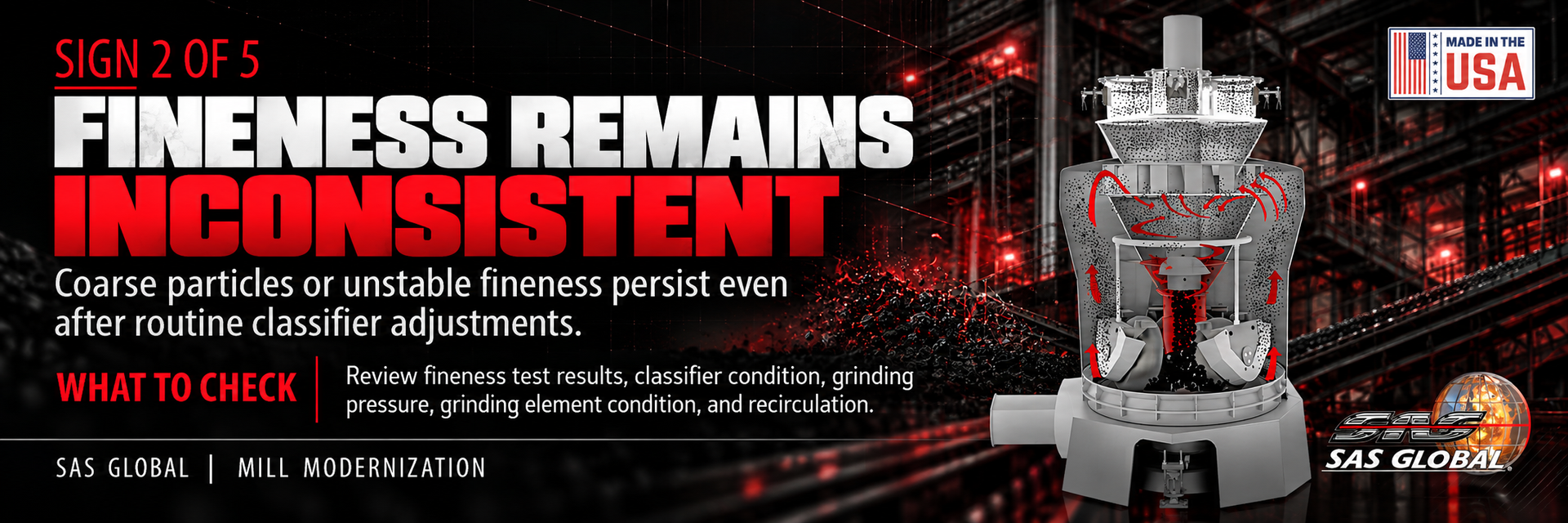
The Warning Sign: Classifier Adjustments Are No Longer Delivering the Desired Results

2. Coal Fineness Remains Inconsistent

The Warning Sign: Classifier Adjustments Are No Longer Delivering the Desired Results

Coal fineness is a critical factor in combustion performance.

When a pulverizer consistently produces excessive coarse particles or experiences significant variations in particle size, the consequences can extend well beyond the mill.


Poor or inconsistent fineness can contribute to incomplete combustion, elevated unburned carbon in fly ash, and reduced boiler efficiency.


Common contributing factors include:

  • Inefficient classifier blade geometry or settings.
  • Excessive coarse particle carryover.
  • Poor internal airflow patterns.
  • Inefficient return of rejected coal to the grinding zone.
  • Changes in grinding conditions or coal characteristics.


Repeated classifier adjustments may offer temporary improvement. However, when fineness problems persist, the existing classification system may no longer be capable of meeting the plant's operating requirements.


The Modernization Opportunity

SAS Global's Patented High Spin Static Classifier is engineered to improve particle classification through enhanced centrifugal separation and improved fineness control.


Additionally, the Patented Retractable Enhanced Flow Discharge System redirects rejected coarse coal into the grinding zone, helping reduce inefficient recirculation and classifier short-circuiting.


These upgrades can improve pulverizer fineness and capacity without necessarily requiring replacement of the entire mill.


Key Question: Are you repeatedly adjusting your classifier to compensate for a fundamental design limitation?


Learn more about the SAS Patented High Spin Static Classifier.

Coal Fuel Pipes Cannot Maintain Proper Balance
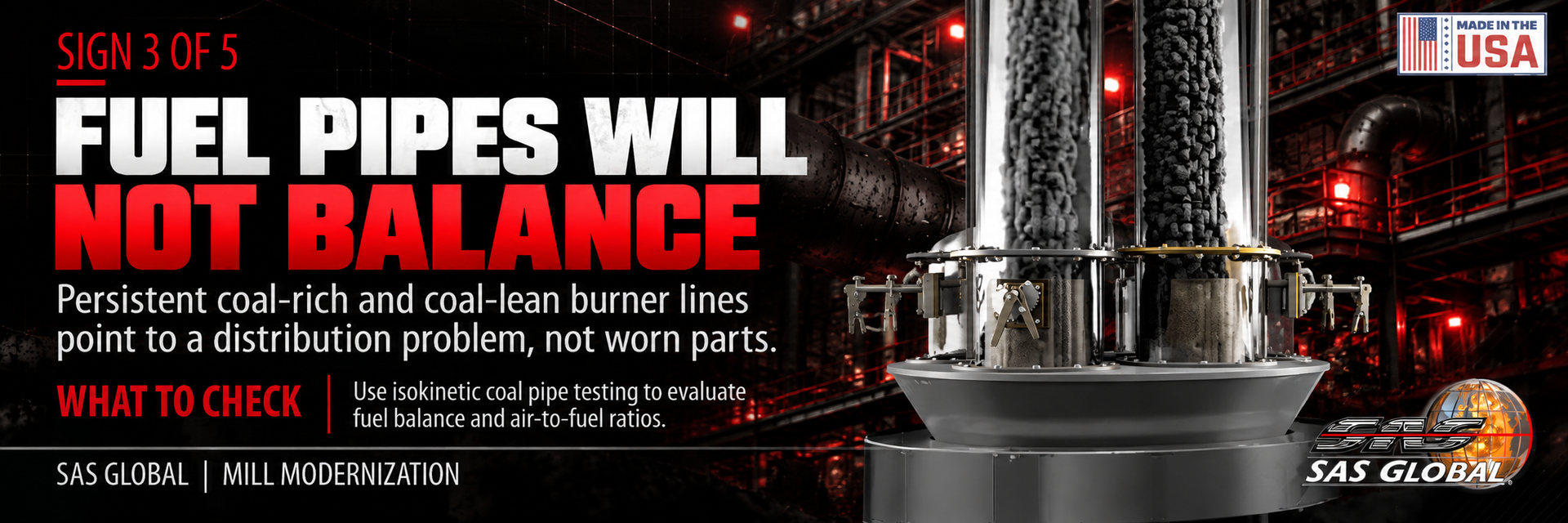
The Warning Sign: Some Burners Receive Too Much Coal While Others Receive Too Little

3. Coal Fuel Pipes Cannot Maintain Proper Balance

The Warning Sign: Some Burners Receive Too Much Coal While Others Receive Too Little

Even when a pulverizer produces adequate coal fineness and throughput, poor fuel distribution can limit overall boiler performance.


Coal-rich and coal-lean fuel pipes create uneven burner-to-burner fuel delivery, which can contribute to combustion instability and inefficient furnace operation.


Potential consequences include:

  • Uneven burner fuel distribution.
  • Elevated carbon monoxide or unburned carbon.
  • Localized reducing or oxidizing combustion conditions.
  • Increased potential for slagging and erosion.
  • Reduced combustion optimization flexibility.


Fuel imbalances may originate within the pulverizer, classifier, or downstream fuel piping system. Coal particle roping, uneven airflow distribution, and poor fuel mixing can all contribute to the problem.


Simply replacing worn components may not correct these conditions.


The Modernization Opportunity

A comprehensive fuel distribution assessment can reveal whether the imbalance originates in the pulverizer or fuel piping.


SAS Global utilizes its Advanced Coal Flow Measurement (ACFM) system to perform computer-controlled isokinetic coal pipe testing.


This testing measures coal flow, primary airflow, velocity, air-to-fuel ratios, and coal fineness, providing the information needed to identify distribution problems.


Depending on the findings, SAS Global technologies such as the Conical Fuel Particulate Diffuser and CV-Style Adjustable Orifice Assemblies can be incorporated into an engineered fuel balancing solution.


Key Question: Is your plant correcting fuel imbalances through repeated adjustments without addressing what is causing them?


Explore SAS Global's ACFM Coal Pipe Testing Services.


Explore SAS Global's Fuel Balancing Technology.

Your Pulverizer Requires Excessive Primary Airflow
The Warning Sign: More Primary Air Is Needed to Maintain Coal Transport and Mill Performance

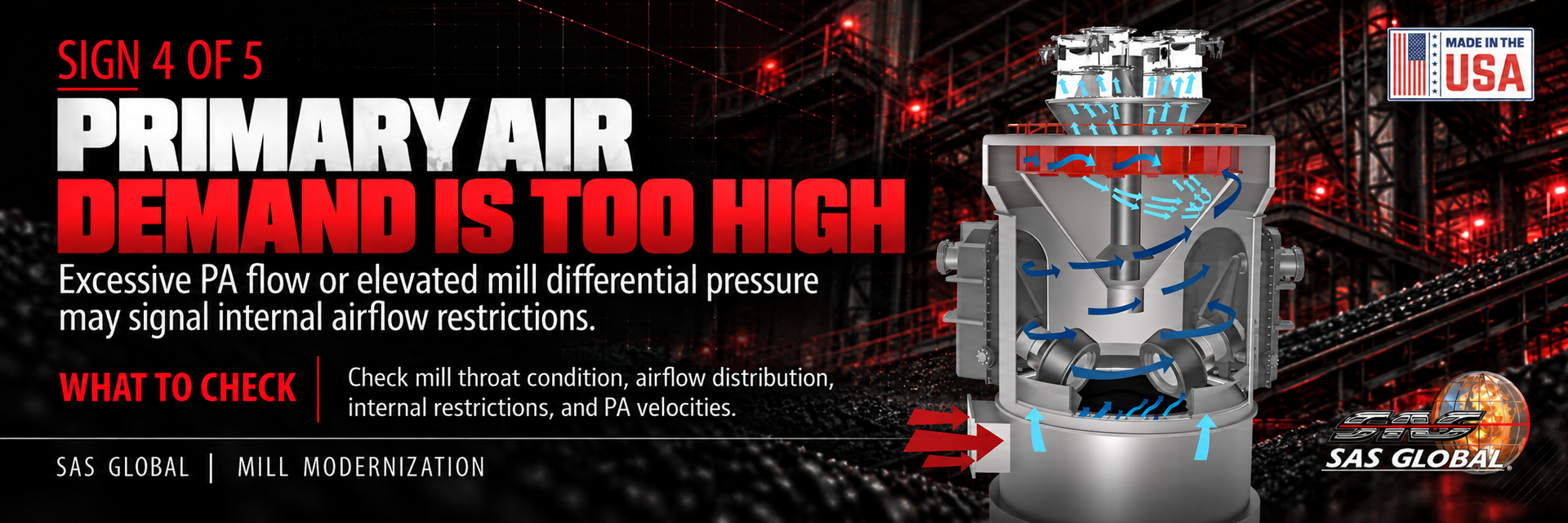
4. Your Pulverizer Requires Excessive Primary Airflow

The Warning Sign: More Primary Air Is Needed to Maintain Coal Transport and Mill Performance

Primary airflow is essential for drying and transporting pulverized coal from the grinding zone to the burners.


However, excessive primary airflow demand or abnormally high mill differential pressure can indicate underlying inefficiencies.

Potential causes include:

  • Worn or inefficient mill throat components.
  • Poorly distributed airflow through the grinding zone.
  • Internal restrictions or excessive pressure losses.
  • Excessive coal recirculation.
  • Improper air-to-fuel ratios.


Increasing primary airflow may help maintain coal transport under certain operating conditions, but it does not necessarily correct the source of the problem.

Excessive airflow can increase auxiliary power requirements, alter coal transport velocities, and contribute to accelerated erosion of internal mill components and downstream fuel piping.


The Modernization Opportunity

An engineered assessment of mill throat condition, differential pressure, airflow distribution, and coal transport characteristics can identify opportunities to improve pulverizer performance.


SAS Global's Patented Closed Race Rotating Vane Wheel is designed to improve internal airflow distribution and coal transport while helping reduce coal spillage.

When integrated with complementary modernization components, improved flow management may allow the mill to operate more efficiently within its required primary air and fuel operating range.


Key Question: Is your pulverizer using more primary air than necessary because of outdated or inefficient internal components?

The Same Wear Problems Return After Every Outage
The Warning Sign: Repeated Failures in the Same Locations

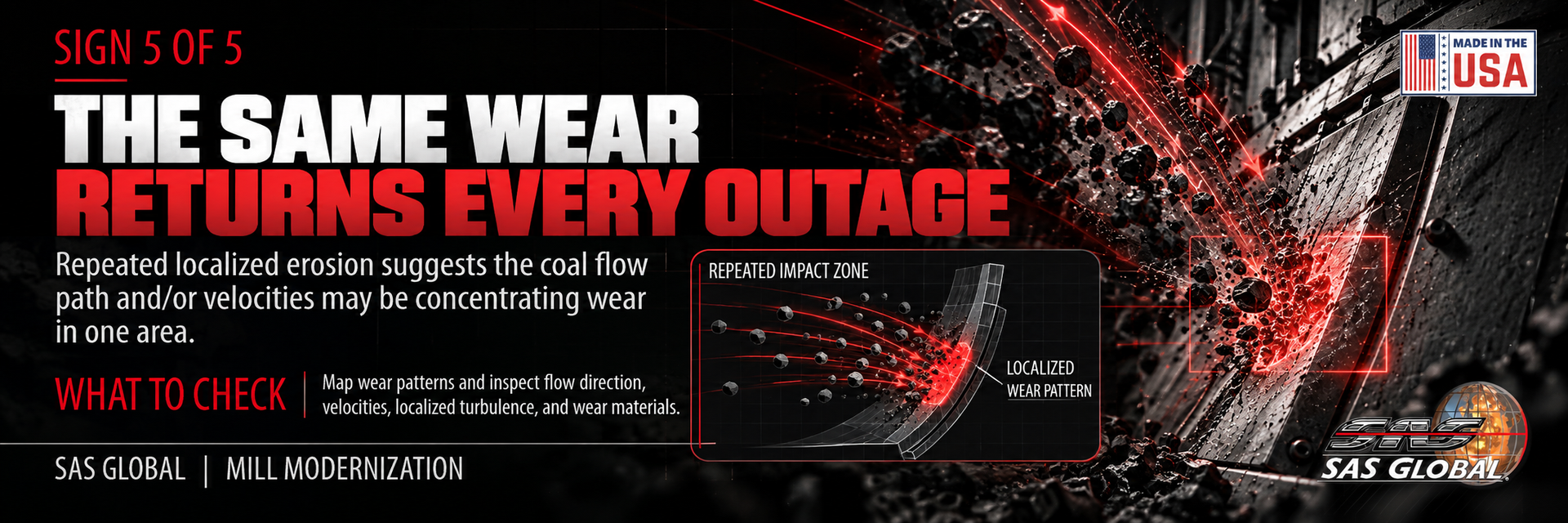
5. The Same Wear Problems Return After Every Outage

The Warning Sign: Repeated Failures in the Same Locations

Recurring wear is often treated as a materials problem. A liner wears out, so it is replaced. A classifier cone experiences erosion, so it is rebuilt. A fuel pipe elbow fails, so a new component is installed.


But when the same damage continues to occur in the same location, plant personnel should consider another possibility:


The wear pattern may be revealing a problem with how coal and air are moving through the system.

Localized erosion can be caused by concentrated coal particle streams, excessive velocities, turbulent airflow, or repeated particle impingement.


These conditions can significantly reduce the service life of otherwise durable components.

Simply installing a harder material without correcting the underlying flow condition may provide only a partial solution.


The Modernization Opportunity

SAS Global combines wear pattern analysis, engineered component design, and advanced wear-resistant materials to address both the causes and consequences of recurring erosion.


Our SureAlloy® product line includes:

  • SA1750CR® Premium Chromium Carbide Overlay Plate for severe abrasion resistance.
  • SA2000® Premium Complex Carbide Overlay Plate for demanding abrasion and elevated-temperature applications.
  • SA6000® Patented Microstructure Overlay Plate for extreme wear environments.


When used in conjunction with appropriate modifications to internal airflow and particle distribution, these materials can provide a more comprehensive strategy for improving component service life.


Key Question: Are you replacing the damaged component—or correcting the condition that continues to destroy it?


Repair or Modernize? The Answer Starts With Performance Data.

Repair or Modernize? The Answer Starts With Performance Data.

Not every pulverizer problem requires a complete modernization.

In many cases, routine repairs and proper maintenance remain the most appropriate and cost-effective solution.


However, when the same operating limitations persist through multiple maintenance cycles, it may be time to evaluate the pulverizer from a system-performance perspective.

Before committing to another major rebuild, plant personnel should consider five important questions:

  1. Is the pulverizer achieving its required coal throughput?
  2. Is coal fineness consistent with plant operating requirements?
  3. Are coal and primary airflow properly balanced between fuel pipes?
  4. Is the pulverizer operating within an efficient primary air and differential pressure range?
  5. Are recurring wear failures being investigated for their underlying causes?


Answering these questions requires more than a visual inspection of worn components.

It requires accurate performance data, an understanding of internal coal and airflow behavior, and an engineered approach to correcting the problems identified.


The SAS Global Approach: Diagnose, Engineer, Modernize

At SAS Global Corporation, our Coal Mill Modernization Program is designed to go beyond conventional component replacement.

We evaluate pulverizer performance as an integrated system, recognizing that grinding efficiency, classification, airflow distribution, fuel balance, and component wear are interconnected.


Our approach includes three key stages.

1. Comprehensive Performance Evaluation

SAS Global evaluates critical operating conditions through mill inspections, isokinetic coal pipe testing, coal fineness analysis, primary airflow measurements, and component condition assessments.


2. Targeted Engineering and Modernization

Using the information collected, SAS Global develops an application-specific modernization strategy to address the performance limitations identified.

Solutions may include patented rotating vane wheels, advanced classifiers, enhanced flow discharge systems, fuel distribution improvements, and premium wear protection components.


3. Performance Optimization and Long-Term Reliability

The objective is not simply to replace components, but to improve the pulverizer's ability to consistently support the plant's operational requirements.

By targeting the underlying performance bottlenecks, modernization can help improve coal throughput, fineness, fuel distribution, operating efficiency, and component reliability.

Explore our Coal Mill Modernization Products and Services.


The Bottom Line: Stop Repeating Repairs. Start Removing Bottlenecks.

A coal pulverizer can be mechanically maintained and still operate below its performance potential.


The challenge is recognizing when repeated maintenance is treating the symptoms rather than addressing the underlying problem.


If your coal mill continues to experience declining capacity, inconsistent fineness, fuel distribution problems, excessive primary airflow demand, or recurring wear, it may be time to consider a more comprehensive solution.

Modernization does not always mean replacing the entire pulverizer. Often, targeted engineering improvements can address critical operating limitations while retaining much of the existing equipment.


Is Your Coal Mill Ready for More Than Another Repair?

Let SAS Global Corporation help you identify the performance bottlenecks that may be limiting your pulverizer's potential.


Repair the component—or remove the bottleneck?

Contact SAS Global to discuss your coal mill performance concerns and explore the potential benefits of an engineered modernization strategy.

Engineered systems for proper flow - extend wear material liners
April 17, 2026
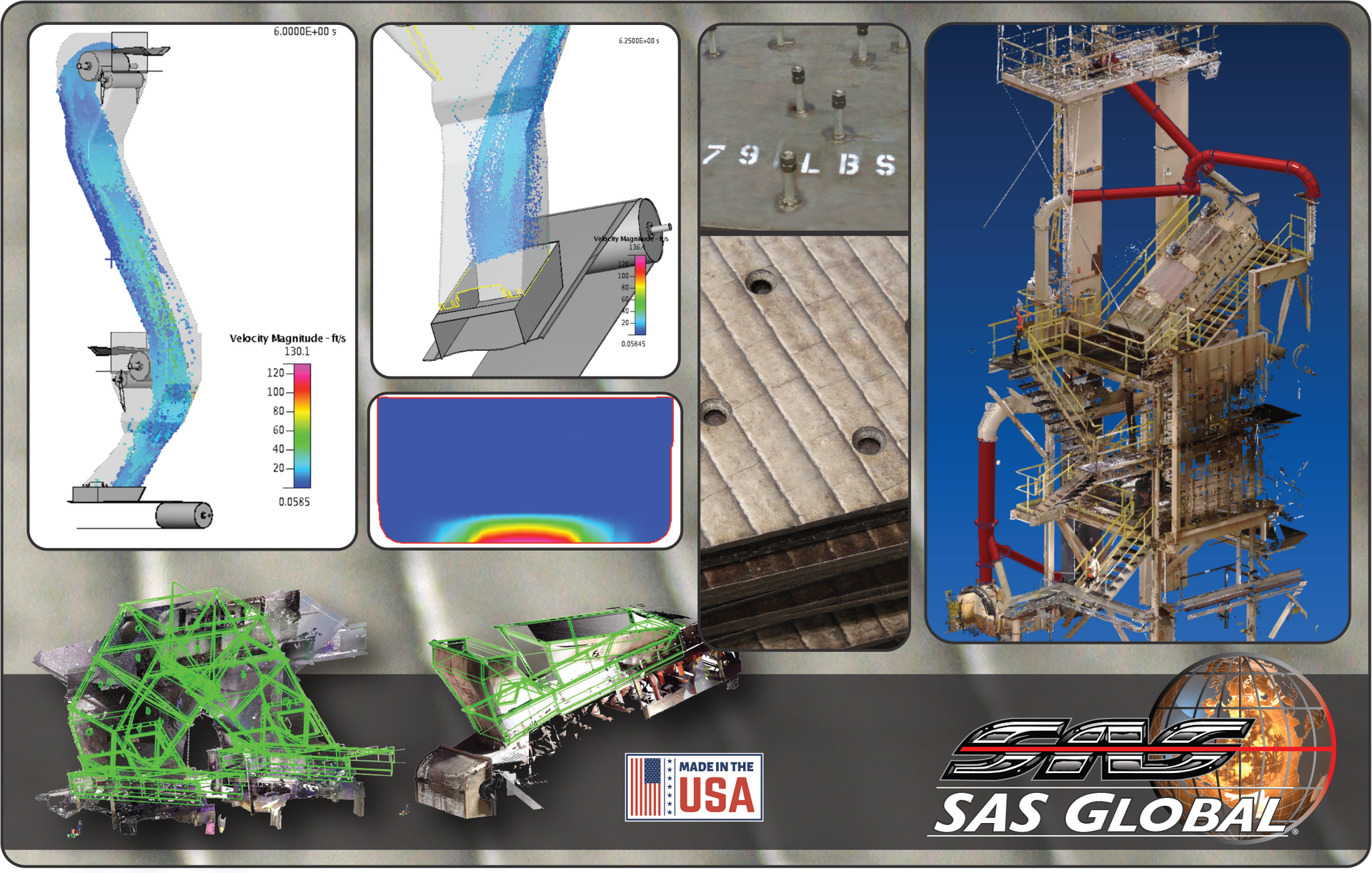
Many wear failures aren’t material issues—they’re system design problems. Optimize flow, geometry, and operating conditions to eliminate hotspots, reduce wear, and extend equipment life.
SAS MPS Coal Pulverizer - Coal Mill Modernization Performace Improvement
February 2, 2026
MPS89 Coal Mill Modernization Case History: Improving Pulverizer Performance at a 700 MW Power Plant
SAS Coal-Fired Power Industry
November 24, 2025
Improve Efficiency, Regain Lost MW Generation, and Reduce Emissions  The SAS Global Total Solutions Approach is designed to have your Coal-Fired Power Operation running at peak performance from the coal yard through to the boiler.
Mega shredder wear resistant parts - Auto Metal shredder wear parts
October 28, 2025
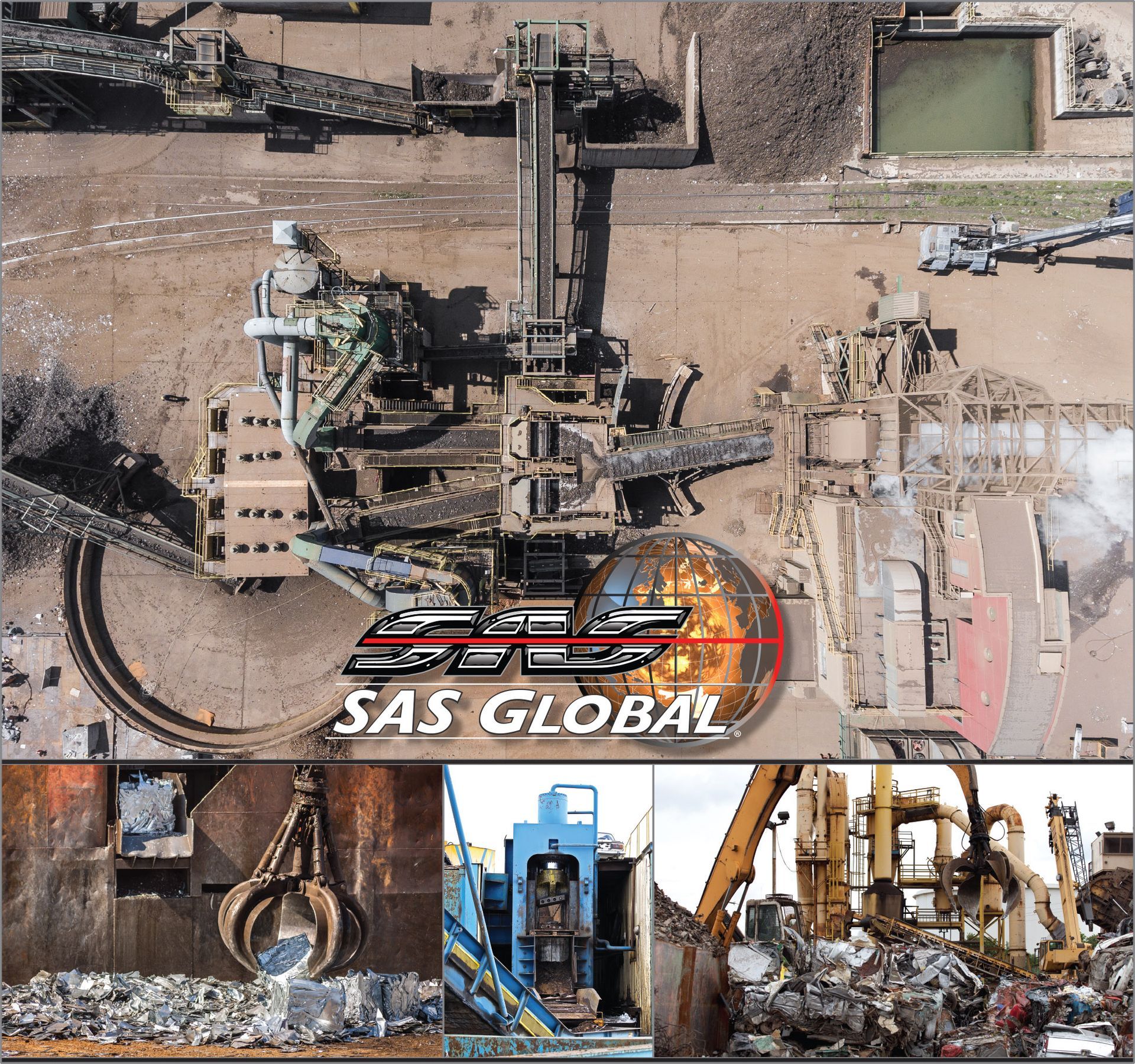
Maximize Uptime, Minimize Maintenance How Long-Service-Life Components Transform Metal Recycling Operations 
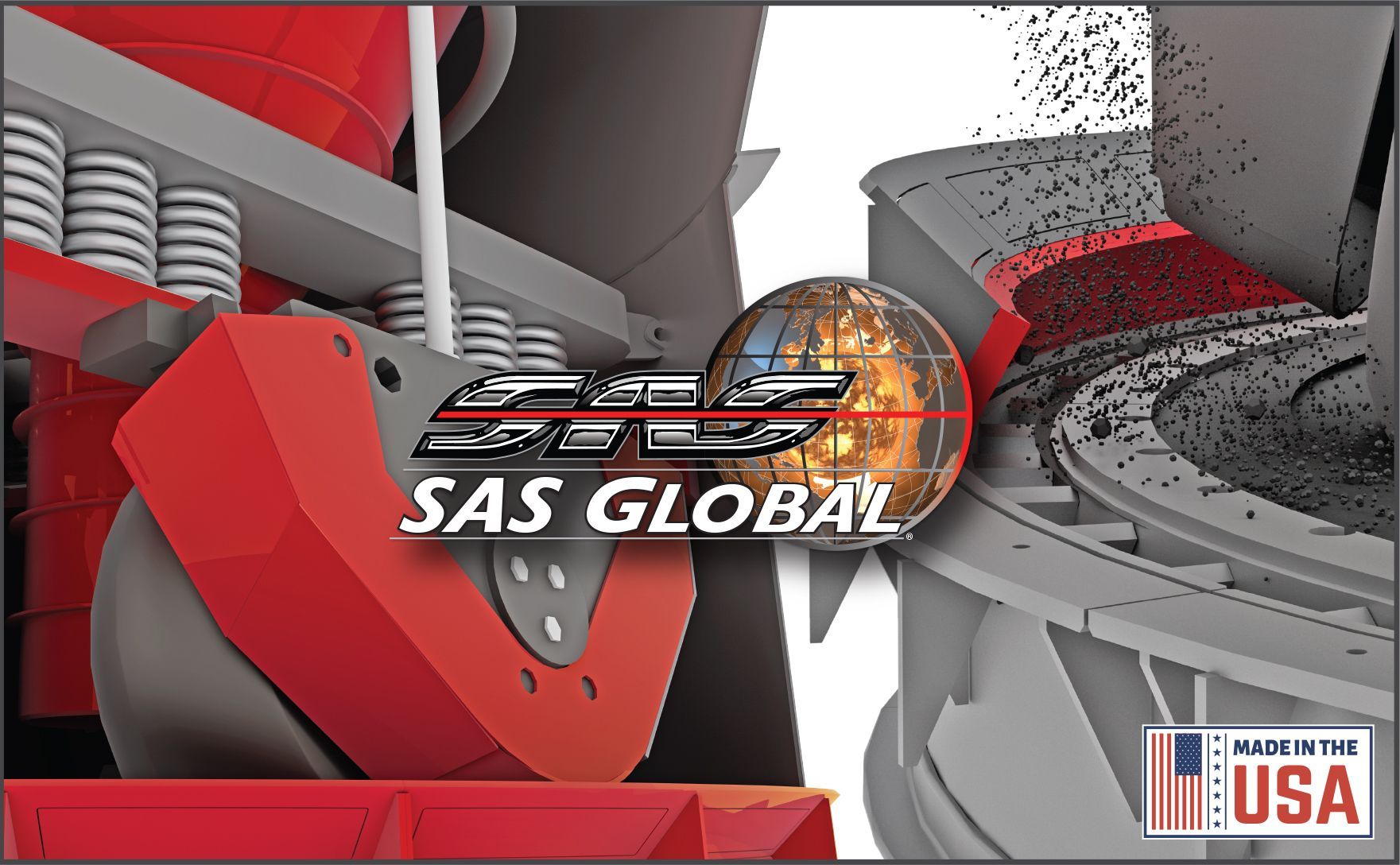
Coal Mill Modernization and Upgrades
October 21, 2025
Modernize for Maximum ROI: How the SAS Global Turnkey Coal Mill Modernization Program Transforms Efficiency, Reliability, and Profitability
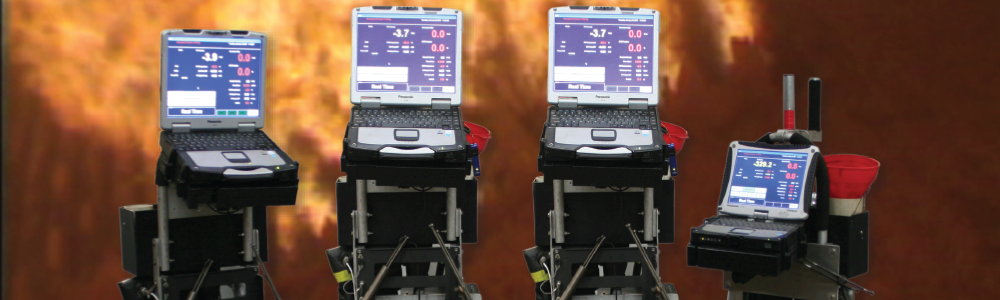
HAPS and Mats Emissions Testing
October 10, 2025
The Critical Role of MATS and HAPs Testing in Coal-Fired Power Plants
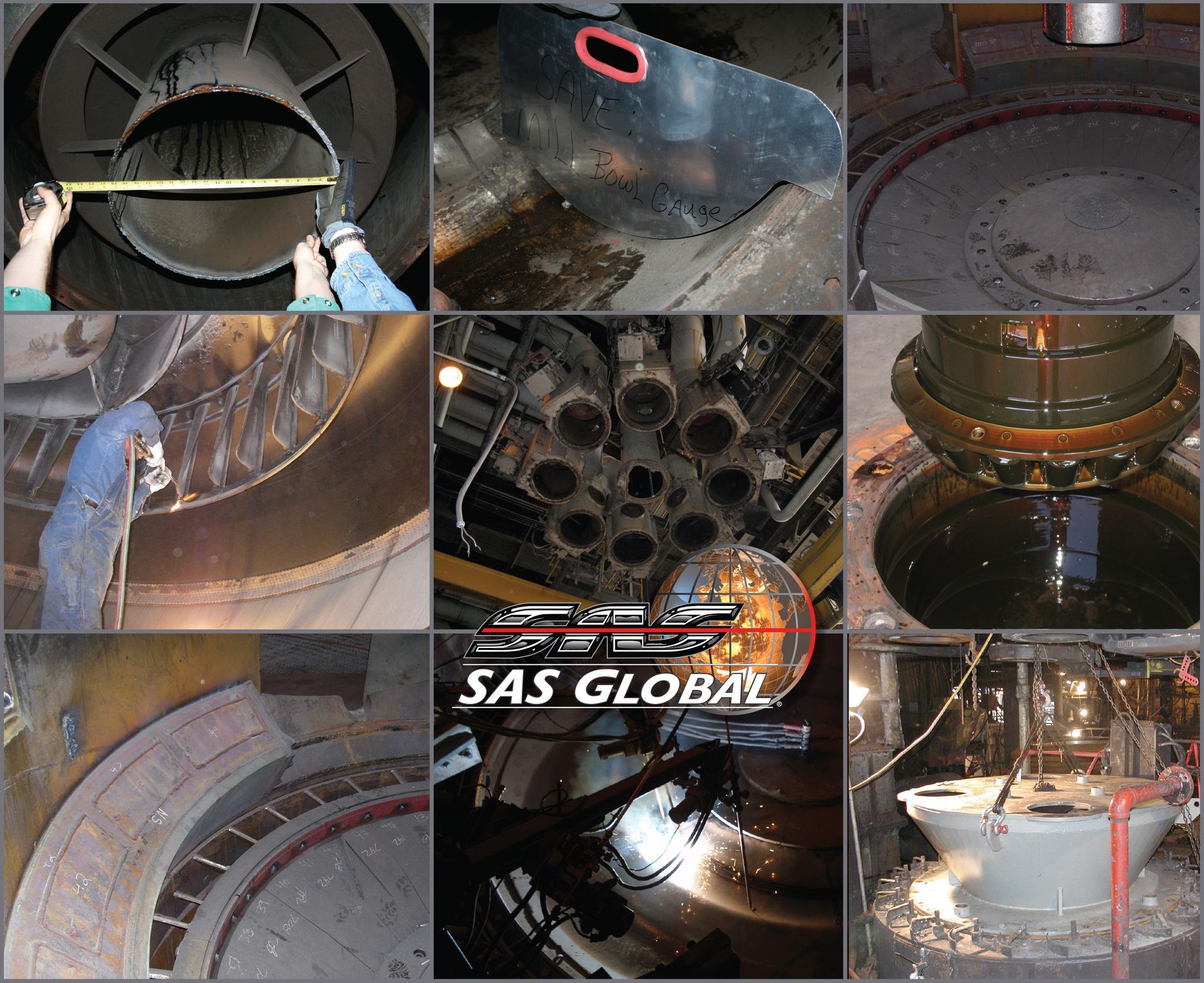
Coal Mill / Coal Pulverizer Inspection and Maintenance
October 10, 2025
Maximize Combustion Efficiency: Why Coal Mill Inspections & Maintenance Can’t Be Ignored
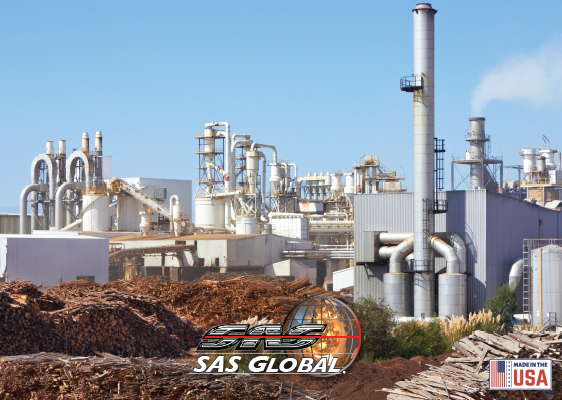
SAS Global Pulp and Paper Industry
September 17, 2025
Wear-Resistant Liners & Components in Pulp & Paper: Boosting Uptime, Safety & ROI
Coal Mill Fuel Balance
September 9, 2025
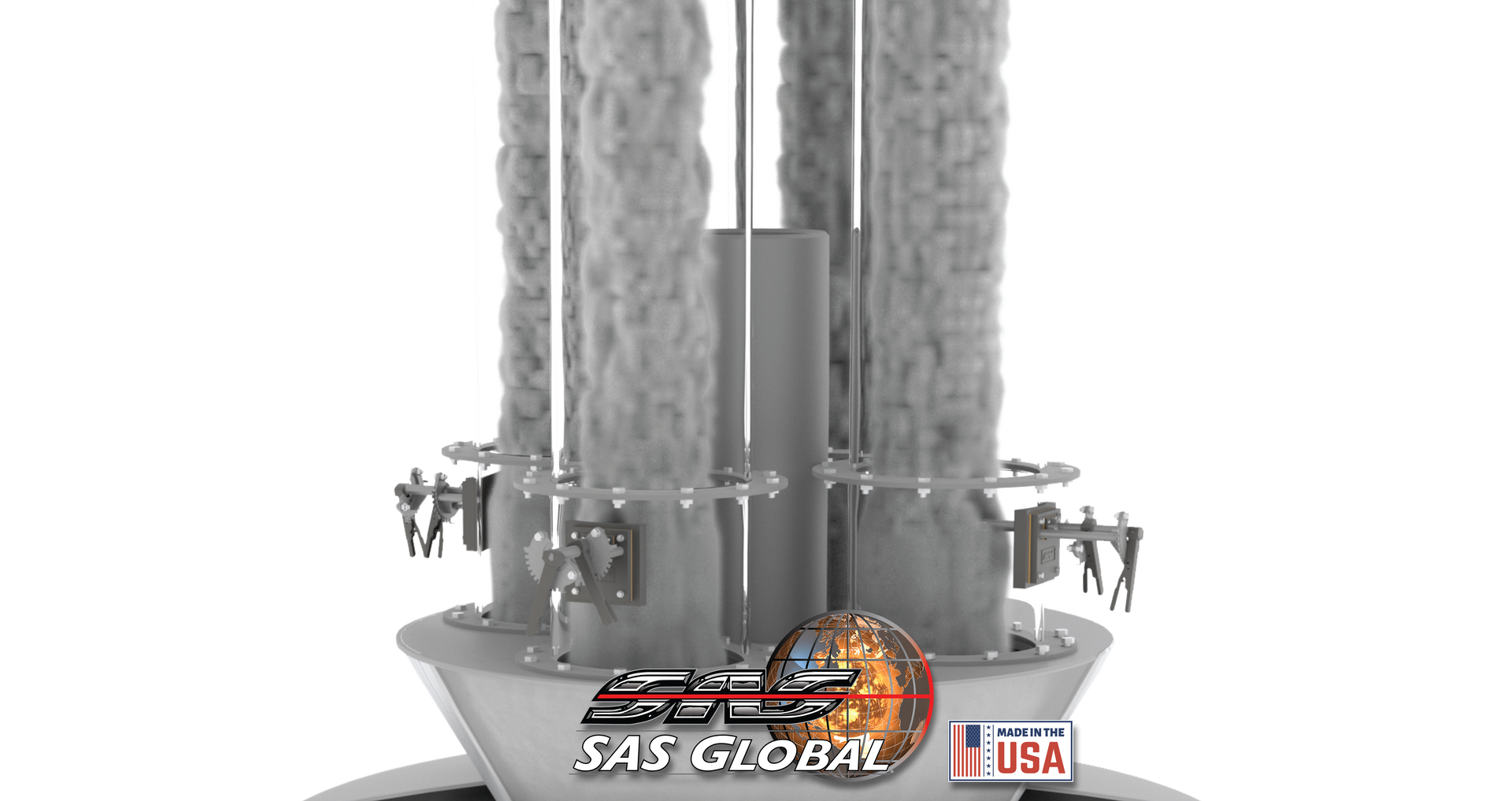
The Importance of Fuel Pipe Balance and Air-to-Fuel Balance in Coal-Fired Power Plants
Premium Smooth Surface Carbide Overlay Plate
August 27, 2025
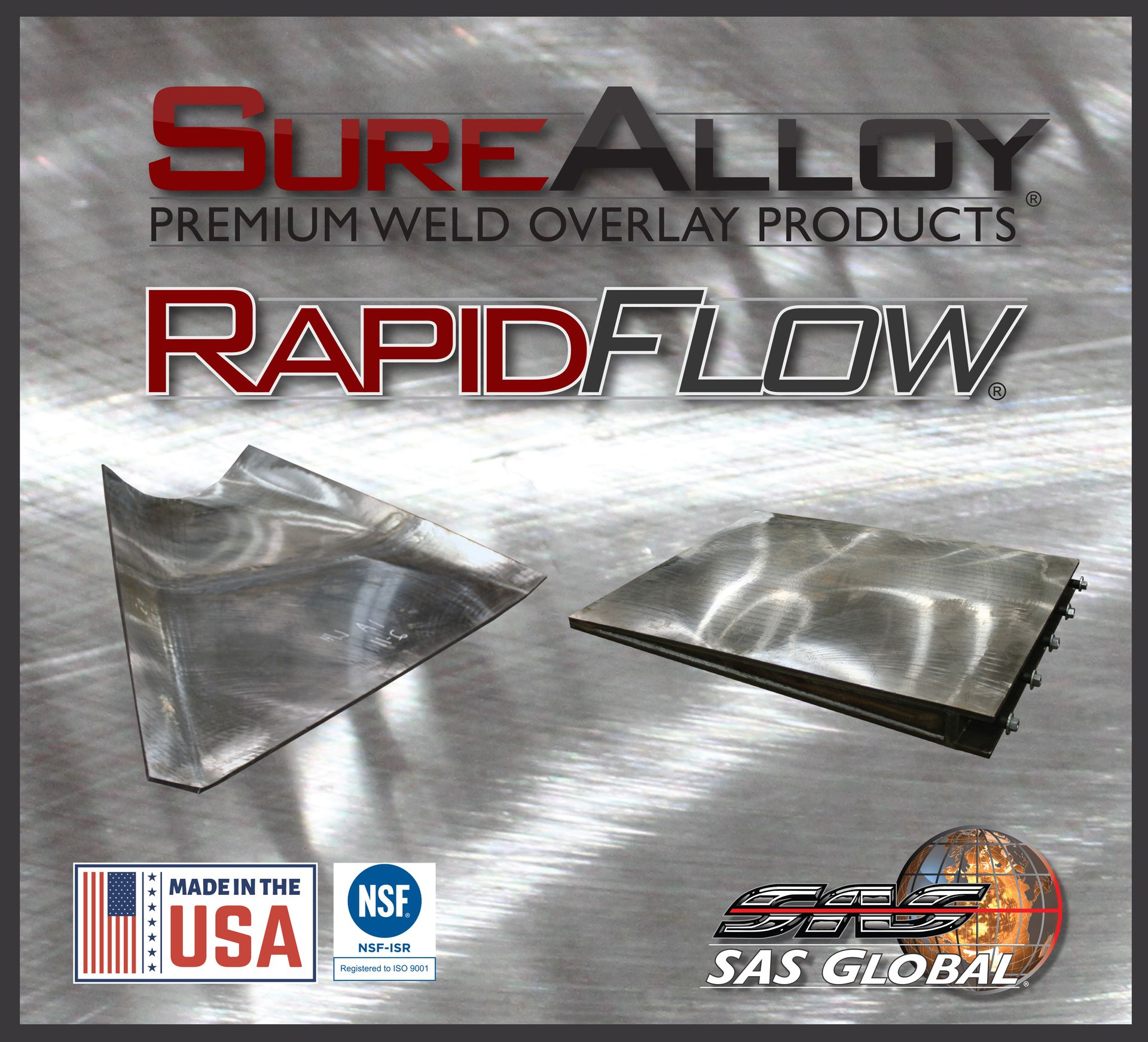
RapidFlow ® Premium Smooth Surface Carbide Overlay Plate: Engineered for Superior Material Flow and Wear Protection.
SAS High Temperature Camera
August 26, 2025
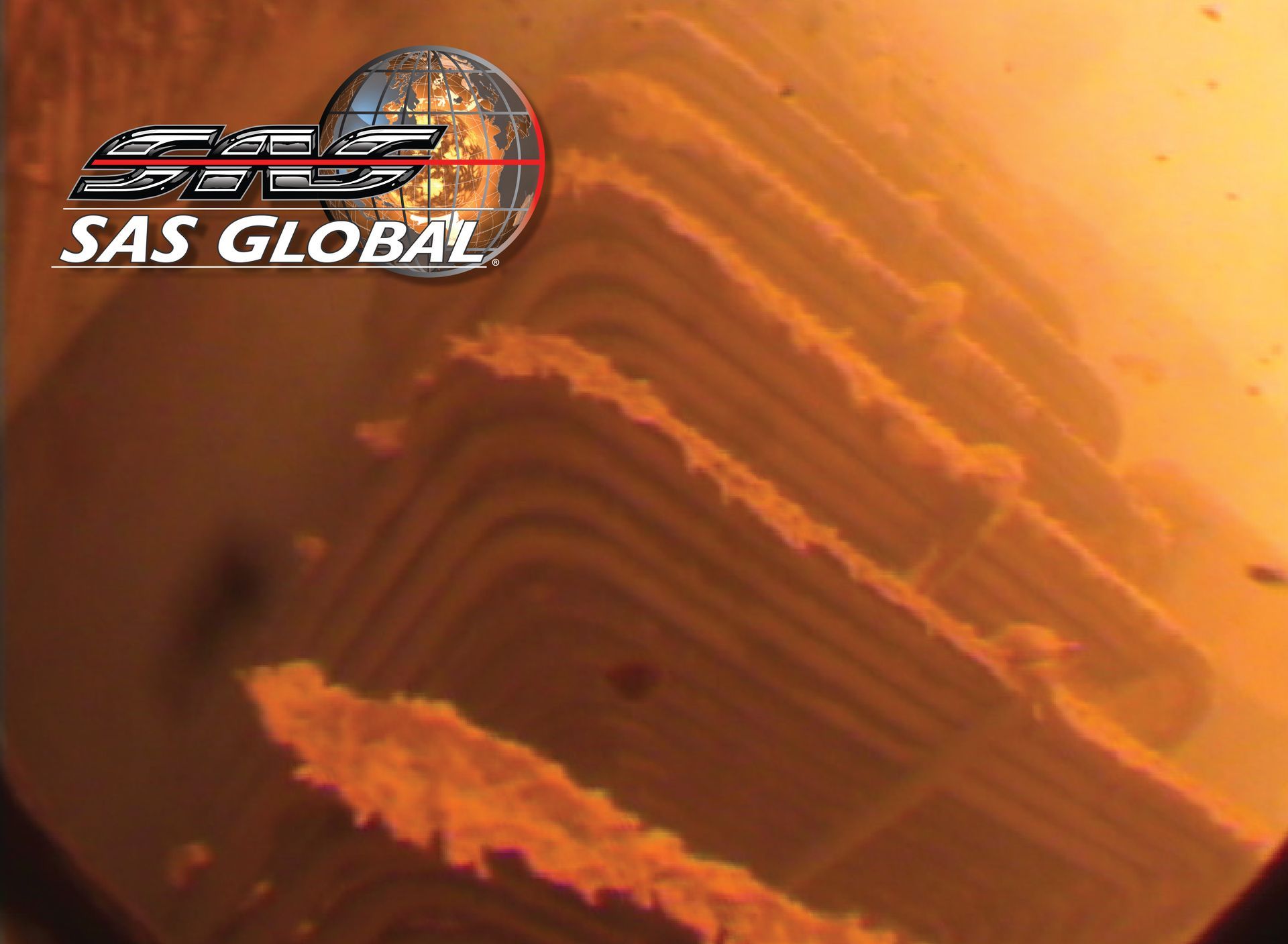
Monitoring Flame and Boiler Conditions is Critical
Chromium Carbide Overlay Plate Fabrication and Supplier - SAS Global
August 19, 2025
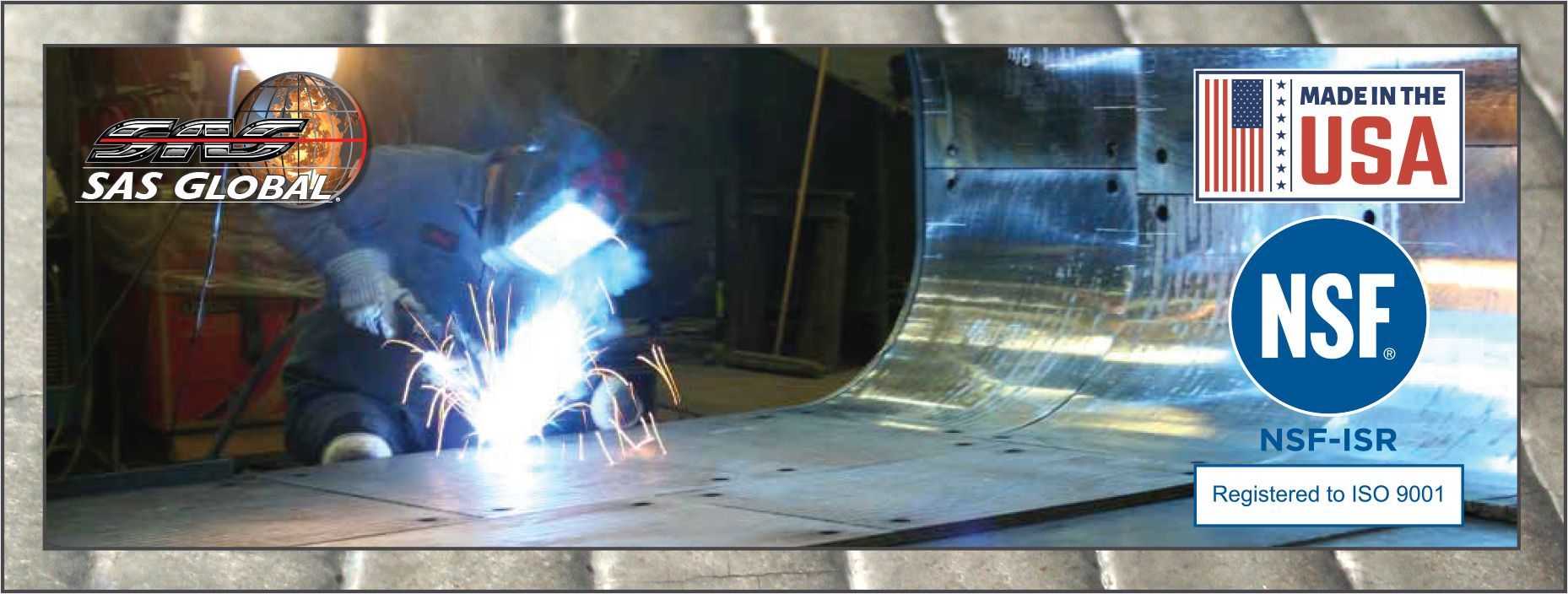
In fabrication, efficiency is everything.
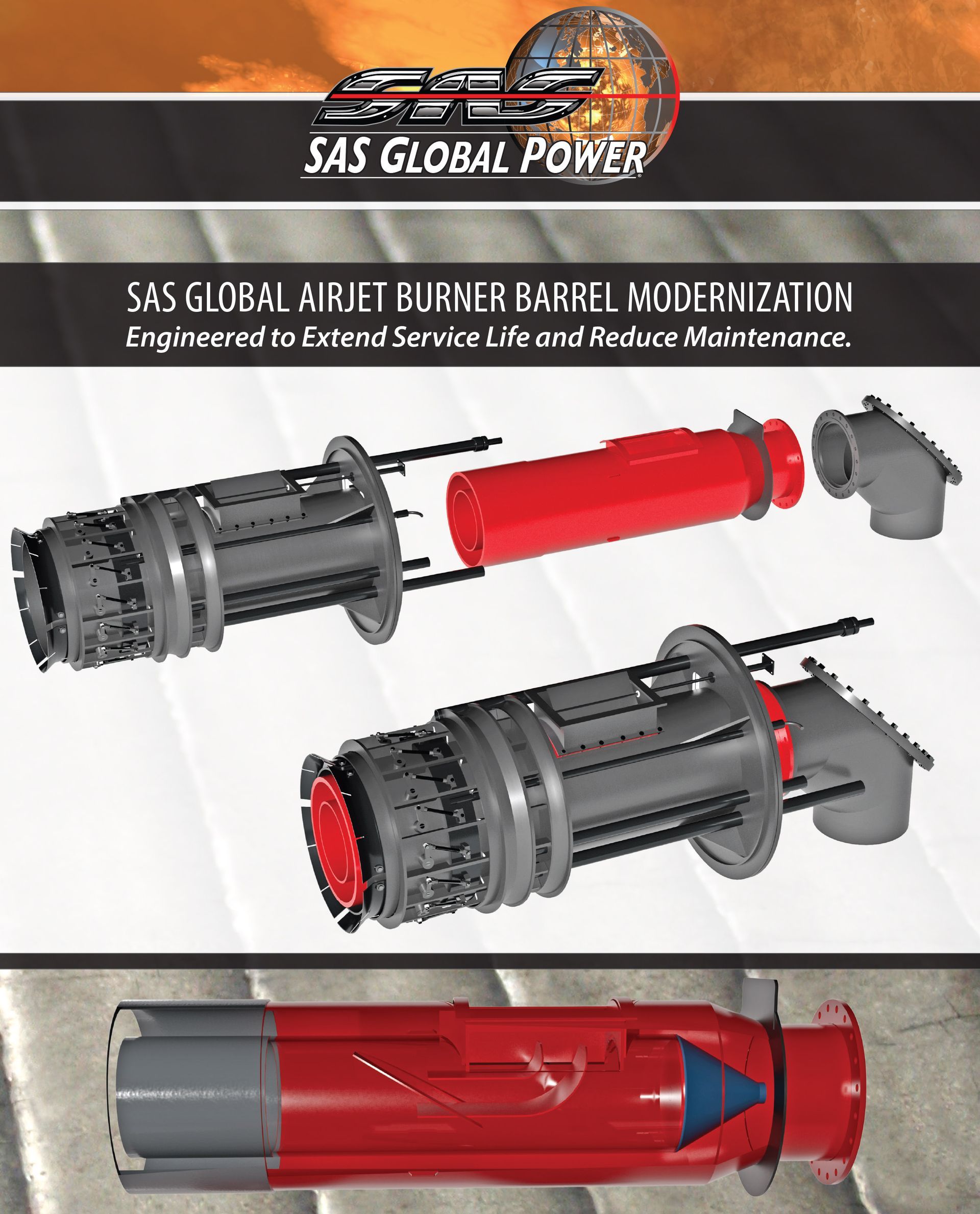
SAS Airjet Modernization - Long Service Life Barrel
July 23, 2025
Why settle for outdated burner barrel technology when failure isn’t just inconvenient, it’s costly?
Built to Last:
The Critical Role of Quality Control and Inspection in Heavy Metal Fabrication
May 7, 2025
Built to Last: The Critical Role of Quality Control and Inspection in Heavy Metal Fabrication
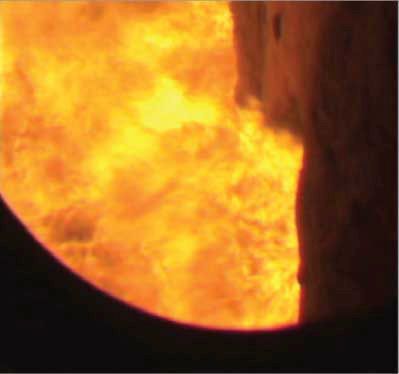
Coal-Fired Burner viewed from SAS High Temperature boiler camera
April 28, 2025
Reignite Combustion Efficiency: How the SAS Patented In-Line Diffuser Solves the Coal Ribboning Crisis in Low NOx Burners
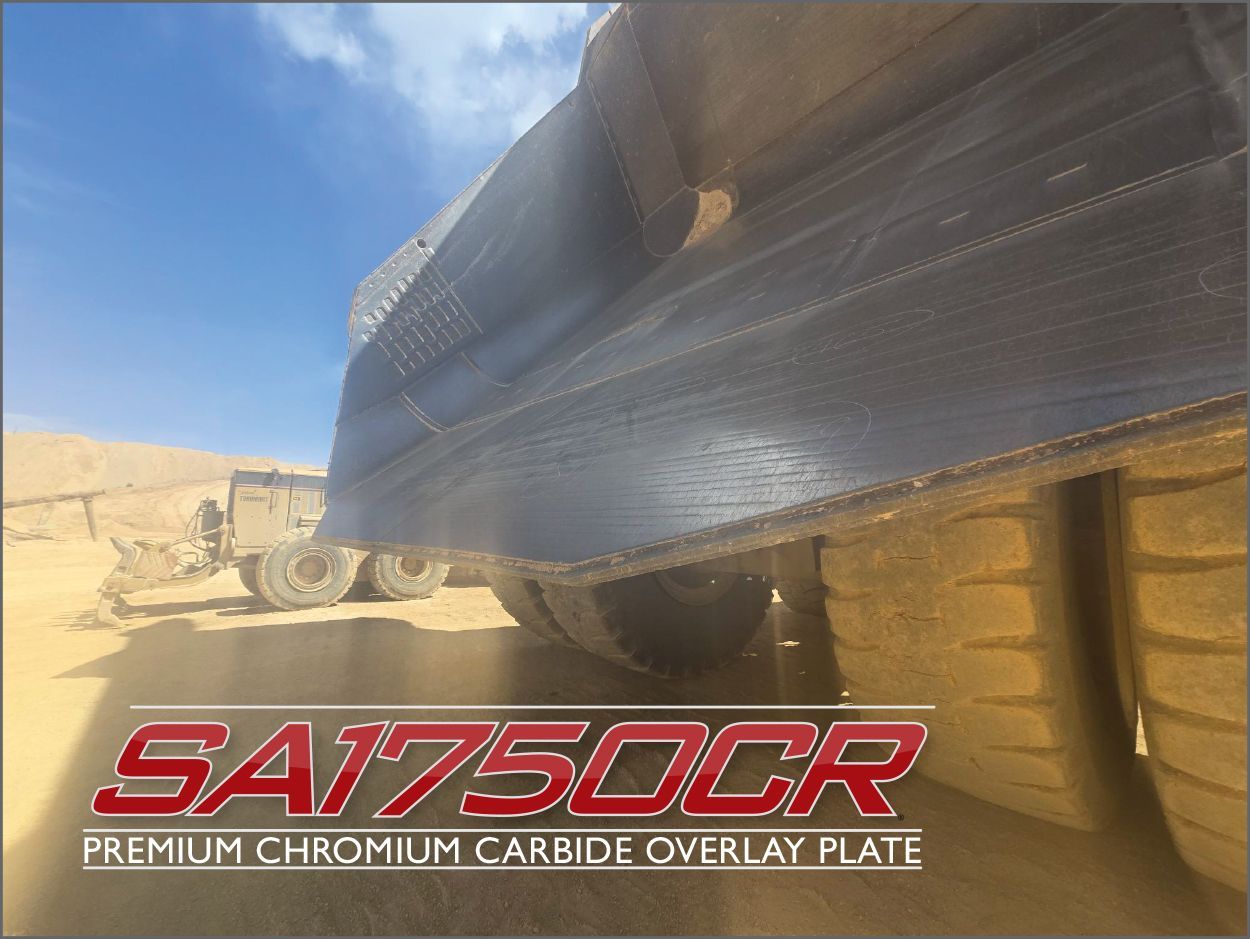
SAS SA1750CR Premium Chromium Carbide Overlay Mining Haul Truck Dovetail Liner System
April 22, 2025
Mining Smarter: How One CAT 789 Haul Truck Proved the Value of the SAS SA1750CR Dovetail Liner System
premium wear resistant materials
April 17, 2025
Why Proper Wear Resistant Material Selection Matters
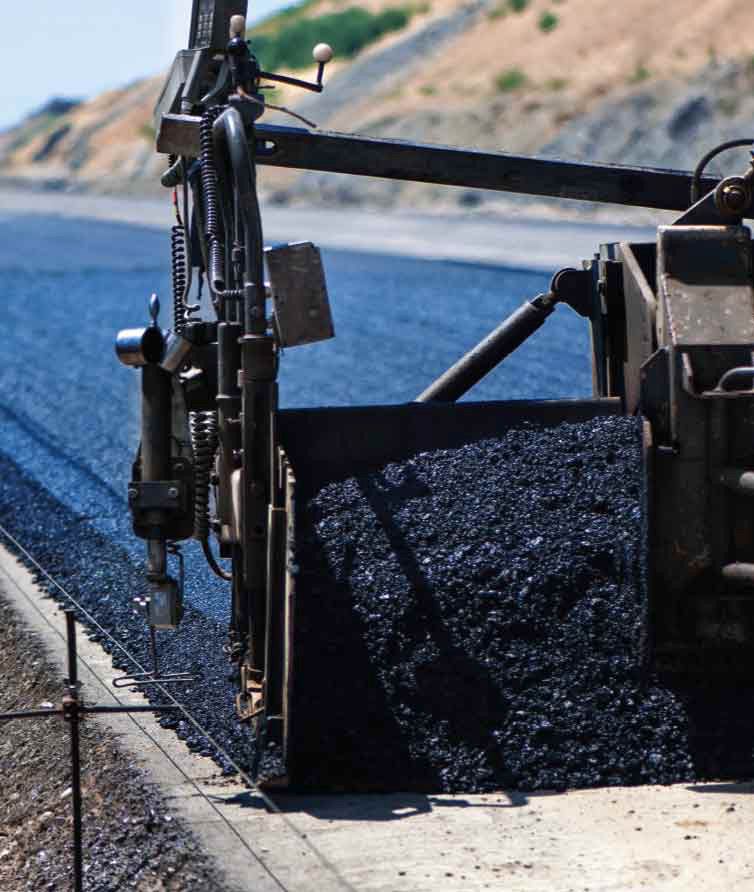
SAS performance screed plates
April 15, 2025
Why High-Quality Chromium Carbide Overlay Screed Plates Matter
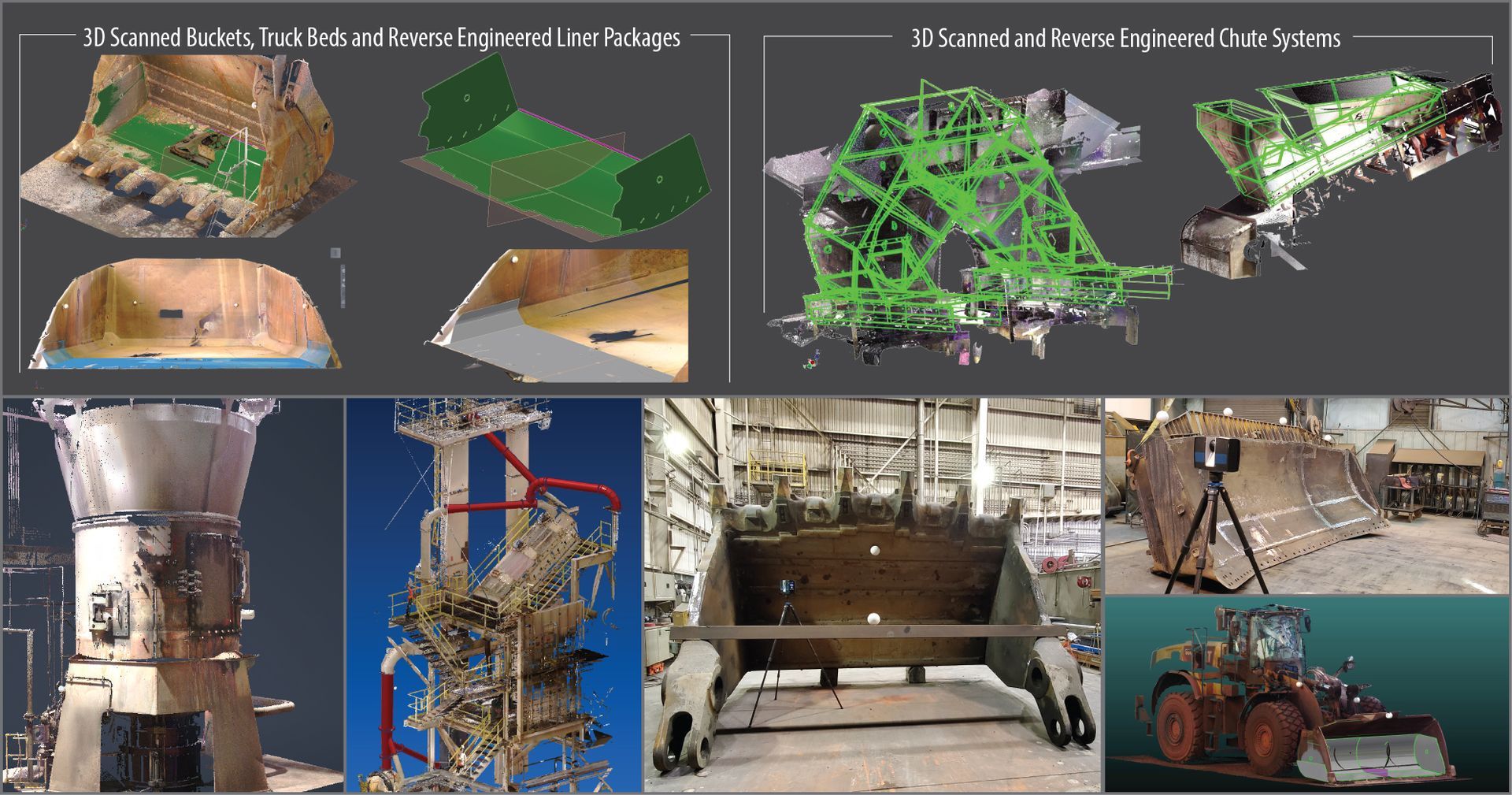
SAS 3D Laser Measurement and 3D CAD Engineering
April 7, 2025
The Power of 3D Laser Scanning Integrated with 3D CAD in Metal Fabrication
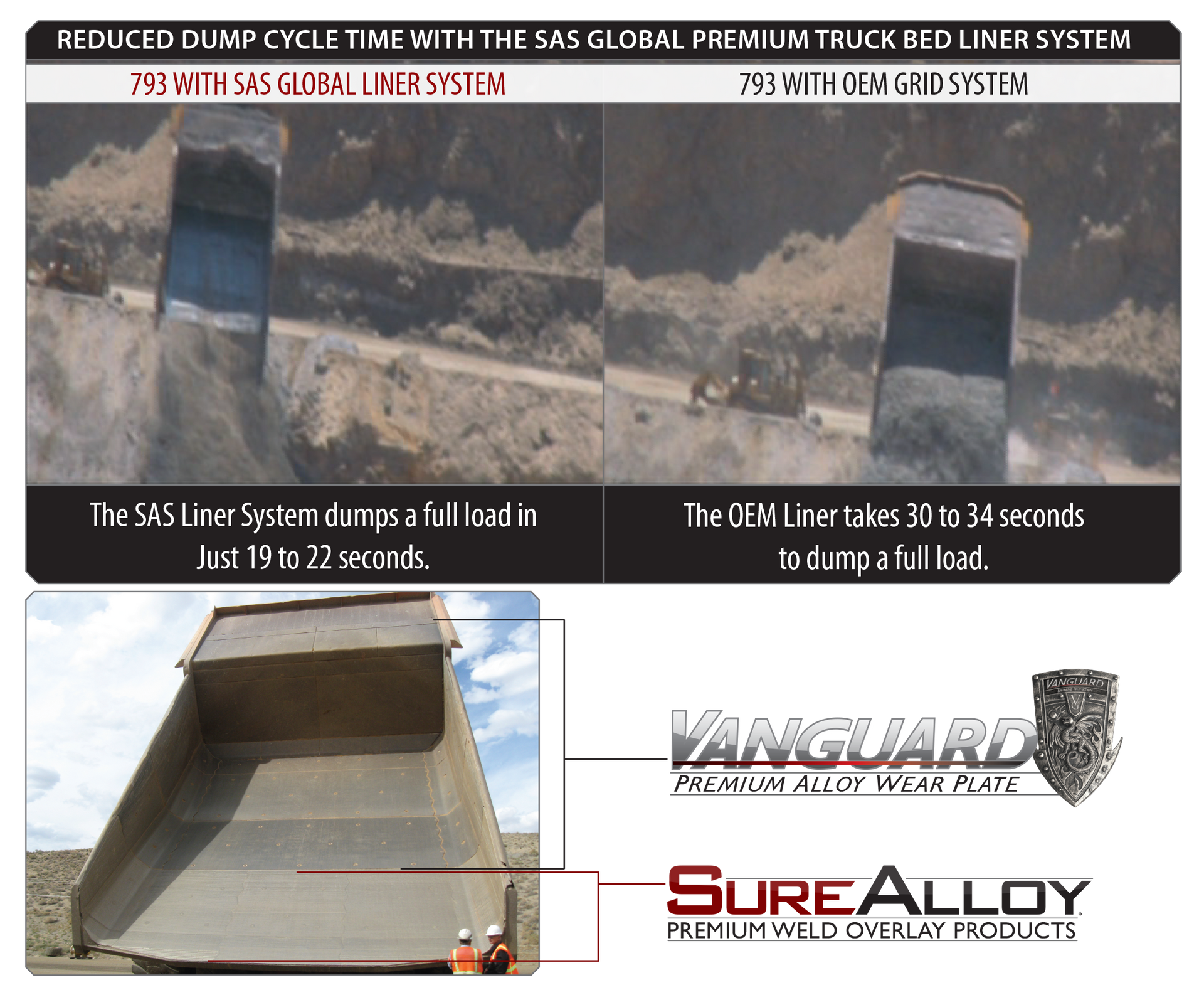
SAS Global Smooth Premium Haul Truck Bed Liner System
April 3, 2025
Boost Production, Cut Costs, and Enhance Safety—One Dump Cycle at a Time
Show More