REAL-TIME MULTI-STREAM COMBUSTION ANALYZER
High-Speed, Mulit-Point Flue Gas Analysis | Rapidly Fine Tune Your Combustion
Measure More Locations. Analyze Faster. Optimize Combustion with Confidence.
SAS Global Corporation provides advanced Real-Time Multi-Stream Combustion Analyzer (MSCA) testing services for coal-fired power generation facilities seeking to improve boiler combustion performance, evaluate emissions distribution, and support more effective burner tuning.
Conventional flue gas testing can require sequential measurements at numerous sampling locations. Because boiler conditions may change during an extended testing period, engineers can face challenges when comparing measurements collected under different firing conditions.
The SAS Global Multi-Stream Combustion Analyzer is designed to address this challenge through high-speed, multi-location flue gas analysis.
Advanced Multi-Point Flue Gas Measurement
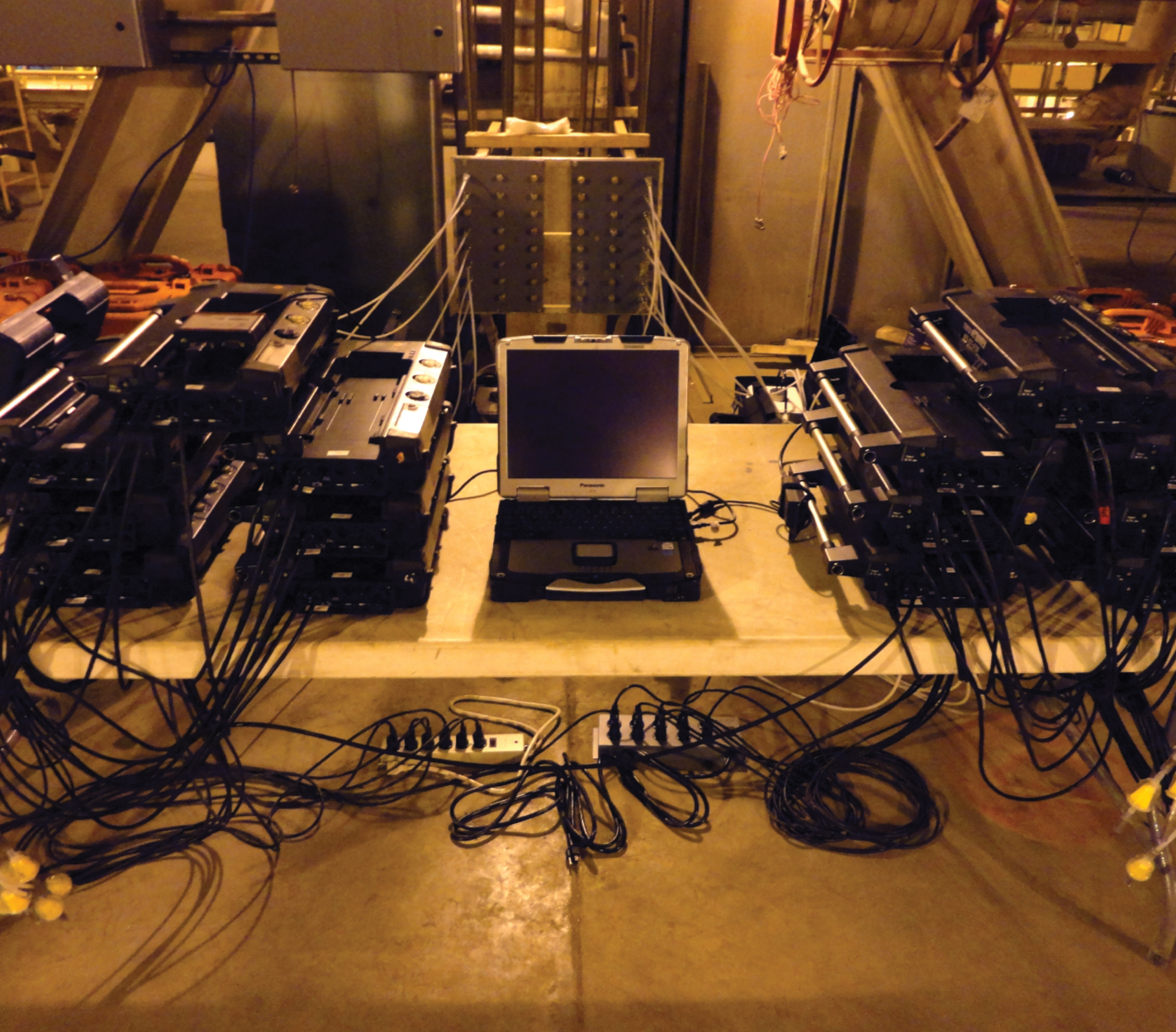
The SAS MSCA is designed to evaluate up to sixteen (16) flue gas streams during a testing program, enabling engineers to compare combustion conditions across multiple boiler locations within a shorter measurement period.
SAS Global uses the system to support economizer-exit and boiler backpass emissions mapping, identify differences in gas concentrations, and monitor combustion responses following operational adjustments.
Real-Time Monitoring & Combustion Tuning Feedback
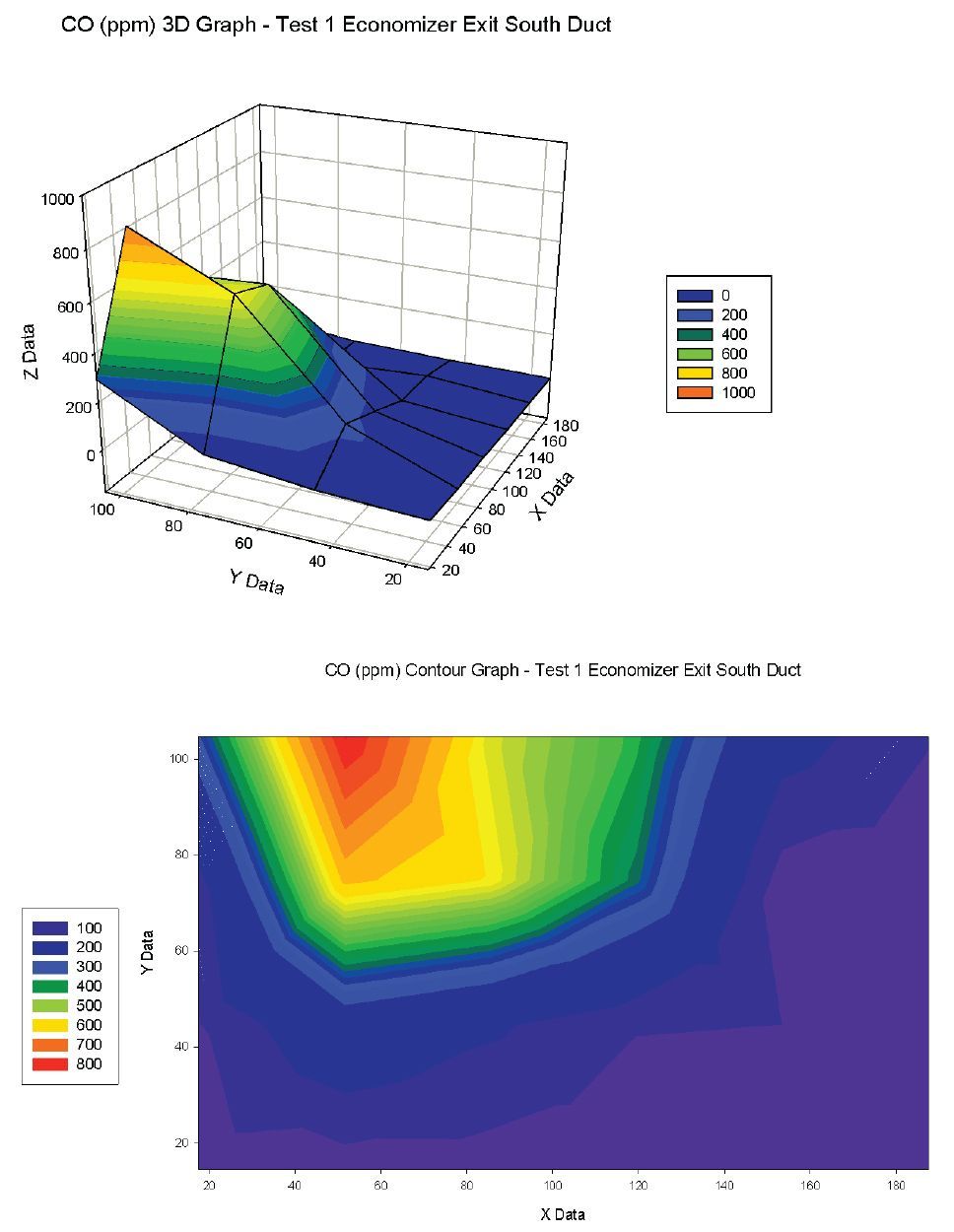
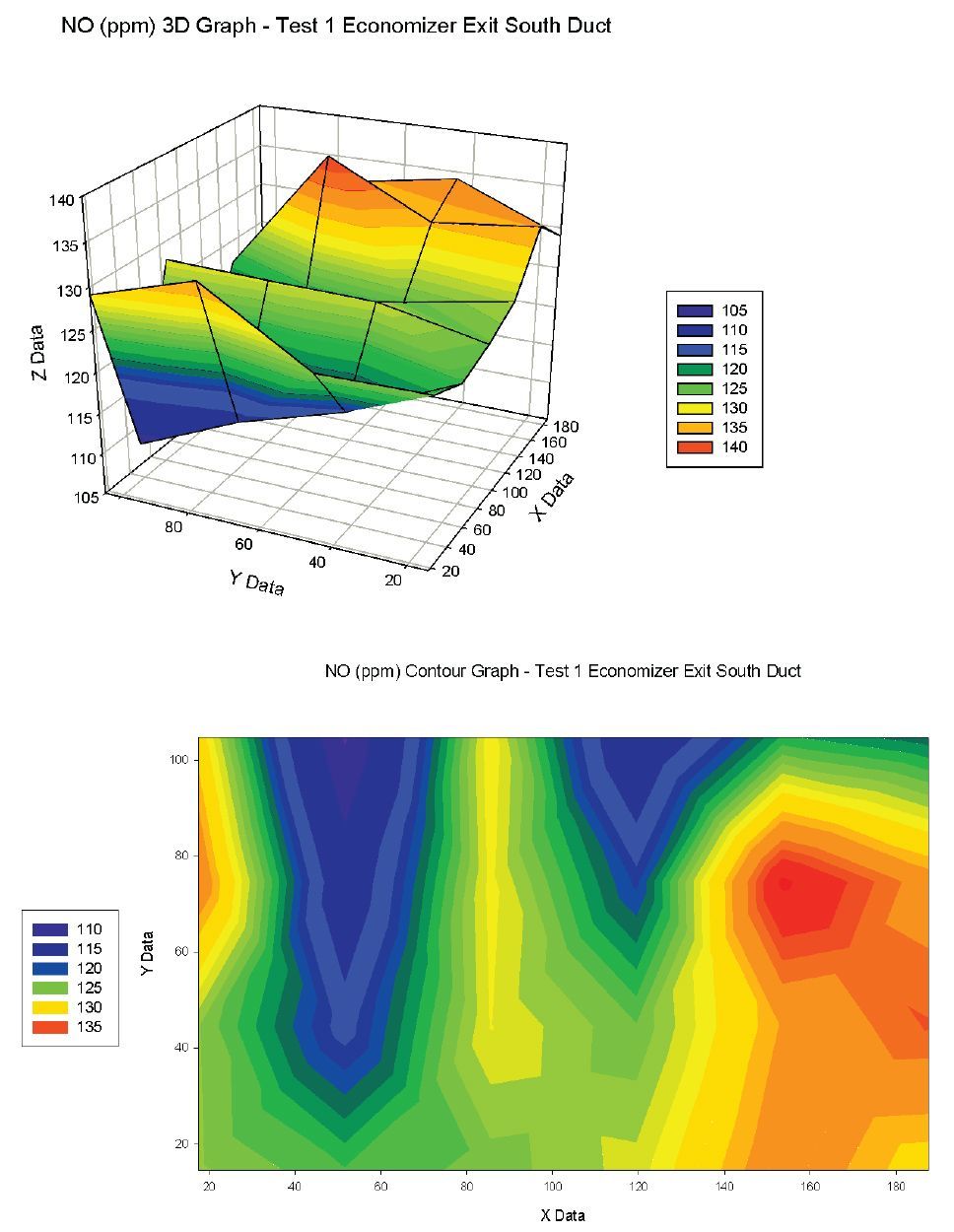
The analyzer records measurement data through a computer-based monitoring system. SAS Global's analysis software processes the information into concentration profiles and graphical results that help engineers evaluate combustion distribution.
During burner tuning, the system can monitor changes associated with adjustments to burner air registers and other approved combustion settings.
SAS Global reports that selected operating adjustments can be evaluated within approximately three to five minutes, depending on the testing arrangement and boiler response. This faster feedback can help plant personnel compare additional operating configurations during a scheduled testing period.
Combustion Diagnostic Applications
- Multi-location flue gas concentration measurement.
- Economizer-exit carbon monoxide (CO) mapping.
- Nitric oxide (NO) concentration profiling.
- NOx emissions evaluation where appropriate measurement methods are included.
- Comparison of gas concentrations across boiler sampling locations.
- Real-time trending during approved burner adjustments.
- Investigation of nonuniform combustion conditions.
- Support for burner tuning and performance optimization.
- Documentation of baseline and post-adjustment operating conditions.
From Emissions Mapping to Engineering Recommendations
SAS Global uses diagnostic measurements to help identify combustion imbalances, evaluate the effects of operating adjustments, and develop recommendations for improving boiler performance. A comprehensive evaluation may combine multi-stream gas measurements with fuel-pipe testing, furnace temperature mapping, coal fineness testing, fly ash analysis, and visual flame inspections.
This integrated approach allows engineers to investigate the relationship between fuel distribution, combustion conditions, emissions and boiler performance.
Engineered Solutions Supported by Actual Measurements
SAS Global combines combustion diagnostics with coal pulverizer modernization, fuel-pipe balancing technologies, burner engineering, and industrial field services.
Diagnostic testing establishes the operating conditions. Where included in the project scope, subsequent tuning, equipment modifications, and repeat testing can help verify changes in performance.
Actual emissions and efficiency improvements depend on the facility's operating conditions and the corrective actions performed.
With MSCA,
SAS Global empowers plants to fine-tune combustion faster and with greater precision—delivering cleaner, more efficient performance.
Advantages:
- More flexibility in operation since the boiler is not always locked at one firing condition
- Increased time for sootblowing, load changes and other necessary operations
- Increased variables can be studied within a given time constraint
- Greater confidence in the data and results since operational variables (slagging and fouling) are reduced
- Reduced labor from the utility
- Reduced contractor labor, per diem and equipment rental fees
EXAMPLE DATA